

E-Waste, Plastic & Battery Waste Management Certification
Hassle-free EPR Certification – Quick, Reliable, and Expert Assistance by Aleph INDIA Group
 4.8/5
4.8/5

Trusted by 100+ Popular Brands Globally
Proudly Serving a Growing List of Satisfied Clients.





Extended Producer Responsibility (EPR)
Extended Producer Responsibility (EPR) is a regulatory framework in India designed to manage electronic, plastic, and battery waste by making producers responsible for the end-of-life management of their products. The EPR mandates that producers, importers, and brand owners (PIBOs) ensure the collection, recycling, and disposal of plastic waste through mechanisms such as Plastic Waste Management Certification, Plastic Waste Certificate, and Plastic Waste Certification.
The Centralized EPR Portal helps streamline compliance and reporting for PIBOs, including registration for CPCB EPR Registration, EPR Registration for Plastic Waste, and CPCB EPR Registration Online. This portal, administered by the Central Pollution Control Board (CPCB), provides a unified platform for documentation and tracking, simplifying the process for businesses to meet their EPR obligations. Additionally, obtaining EPR registration demonstrates a company's commitment to environmental sustainability and corporate social responsibility.
It helps businesses comply with legal requirements and enhances their reputation among environmentally conscious consumers. By participating in the EPR program, companies can contribute to reducing environmental impact, promoting a circular economy, and fostering sustainable development.
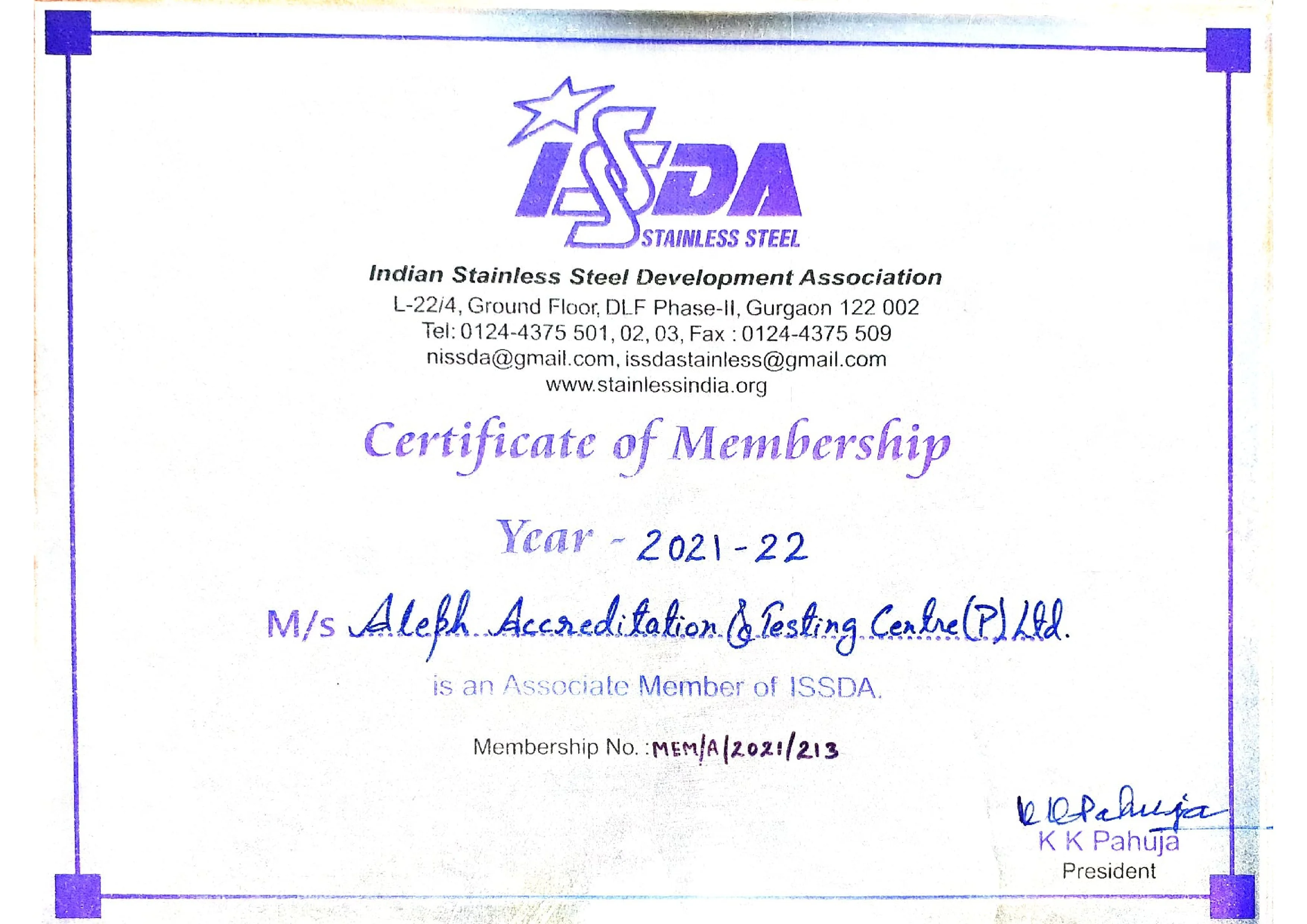
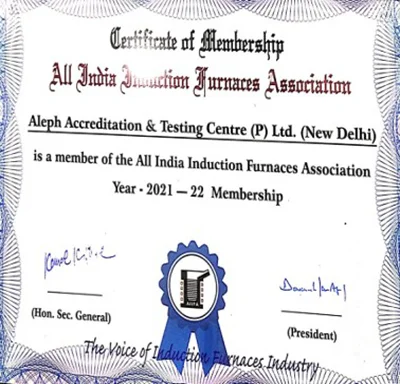
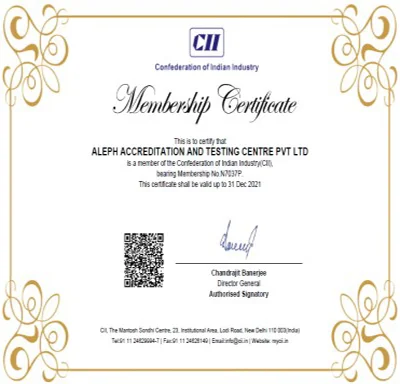
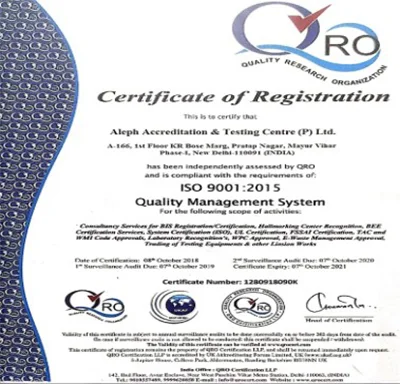
Our Achievements
Our Passion is Giving Your Business Power and the Opportunity to Touch the Sky of Success!
Build a Customer- Centric Marketing Strategy

EPR for E-Waste
E-Waste, one of the fastest-growing waste streams globally, poses significant environmental challenges.
By adhering to Extended Producer Responsibility (EPR) regulations, businesses can contribute to effective e-waste management, ensuring that electronic products are safely collected, recycled, and disposed of.
The EPR framework mandates producers to manage the end-of-life of their products, thereby reducing the environmental impact and promoting a sustainable approach to electronic waste management.
Register today and join the movement towards a cleaner and greener planet.

EPR for Plastic Waste
Plastic pollution is a critical issue impacting ecosystems worldwide. The EPR system for plastic waste is designed to hold producers accountable for the entire lifecycle of their plastic products, from production to post-consumer waste management.
By registering for EPR, businesses can ensure proper recycling and disposal of plastic waste, significantly reducing environmental harm and promoting a circular economy.
Join the initiative to tackle plastic pollution and make a tangible impact on the environment.

EPR for Battery Waste
Battery waste, if not managed properly, can release hazardous substances into the environment, posing serious health and ecological risks.
EPR for battery waste requires producers to take responsibility for the collection, recycling, and safe disposal of used batteries.
This approach helps in minimizing the environmental footprint and preventing harmful chemicals from contaminating the soil and water.
Register for EPR today and contribute to a safer and more sustainable future by ensuring responsible battery waste management.
EPR for E-Waste
India generates 3.2 million tonnes of e-waste annually. Guarantee the safe collection and recycling of electronic products to significantly reduce environmental impact. By promoting sustainable practices, we can ensure responsible e-waste management and join the movement towards a cleaner, greener planet.
E-Waste, one of the fastest-growing waste streams globally, poses significant environmental challenges. By adhering to Extended Producer Responsibility (EPR) regulations, businesses can contribute to effective e-waste management, ensuring that electronic products are safely collected, recycled, and disposed of.
The EPR framework mandates producers to manage the end-of-life of their products, thereby reducing the environmental impact and promoting a sustainable approach to electronic waste management. Register today and join the movement towards a cleaner and greener planet.


EPR for Plastic Waste
With approximately 3.5 million tonnes of plastic waste produced annually in India, only about 40% is recycled (840,000 tonnes). Hold producers accountable for the entire lifecycle of their plastic products. Effective recycling and proper disposal methods are crucial to minimizing environmental harm and combating plastic pollution.
Plastic pollution is a critical issue impacting ecosystems worldwide. The EPR system for plastic waste is designed to hold producers accountable for the entire lifecycle of their plastic products, from production to post-consumer waste management.
Plastic pollution is a critical issue impacting ecosystems worldwide. The EPR system for plastic waste is designed to hold producers accountable for the entire lifecycle of their plastic products, from production to post-consumer waste management.
EPR for Battery Waste
Safeguard against hazardous substances in battery waste through stringent EPR regulations. Responsible disposal practices are essential to minimizing ecological risks and preventing contamination of soil and water.
Ensuring proper battery waste management not only protects the environment but also promotes a sustainable future for generations to come. Battery waste, if not managed properly, can release hazardous substances into the environment, posing serious health and ecological risks. EPR for battery waste requires producers to take responsibility for the collection, recycling, and safe disposal of used batteries.
This approach helps in minimizing the environmental footprint and preventing harmful chemicals from contaminating the soil and water. Register for EPR today and contribute to a safer and more sustainable future by ensuring responsible battery waste management.

 Get a Free Consultation for EPR Certification —Contact Us Today!
Benefits of EPR Registration

Regulatory Compliance
Ensure your business adheres to environmental regulations, avoiding fines and legal complications.

Sustainable Practices
Demonstrate your commitment to sustainability by properly managing e-waste, plastic waste, and battery waste

Brand Reputation
Enhance your brand's reputation as an eco-friendly company, attracting environmentally conscious customers.

Cost Efficiency
Optimize waste management processes, leading to potential cost savings in disposal and recycling efforts.

Market Access
Gain easier access to international markets that require stringent EPR compliance.

Corporate Responsibility
Fulfill corporate social responsibility (CSR) goals by contributing to the reduction of environmental pollution.
Clients Reviews
Our clients value the expertise and support provided by Aleph India for their certification needs. Here are some of their experiences:
Frequently Asked Questions (FAQ) For EPR Registration
Explore common questions and comprehensive answers about EPR Certification.
-
What is EPR Registration and why is it important?
Extended Producer Responsibility (EPR) is a regulatory approach where producers are held accountable for the entire lifecycle of their products, especially for the take-back, recycling, and disposal of their goods. EPR Registration is important because it ensures that businesses comply with environmental laws, particularly for managing e-waste, plastic waste, and battery waste. By registering, companies demonstrate their commitment to sustainability, reduce the environmental impact of their products, and avoid legal penalties. It also helps businesses align with global environmental standards, making it easier to operate in international markets that require EPR compliance.
-
Who needs to register under EPR?
Businesses involved in the production, import, or sale of electronic goods, plastic packaging, or batteries need to register under EPR. This includes manufacturers, brand owners, importers, and distributors. The registration applies to any company that places these products on the market and is responsible for their end-of-life management. Compliance is mandatory in many regions to ensure proper recycling and disposal of waste, and it is particularly crucial for companies looking to expand their market reach both domestically and internationally.
-
How does EPR Registration benefit my business?
EPR Registration offers multiple benefits to businesses. First, it ensures compliance with environmental regulations, protecting your business from fines and legal issues. Second, it enhances your brand’s reputation by demonstrating your commitment to sustainability, which can attract environmentally conscious customers. Third, it can lead to cost savings through more efficient waste management and recycling processes. Additionally, EPR compliance can open up access to new markets that require stringent environmental standards, helping your business grow globally while contributing to environmental protection.
-
What are the steps to complete EPR Registration?
Completing EPR Registration involves several key steps. First, identify the type of waste your business generates—whether it's e-waste, plastic, or batteries. Next, gather the necessary documentation, including product details and waste management plans. Then, register with the appropriate environmental authority, providing all required information. After submission, your application will be reviewed, and upon approval, you will receive your EPR registration certificate. It’s important to stay updated with any ongoing compliance requirements, such as annual reporting and audits, to maintain your registration and avoid penalties.
-
What are the consequences of not registering under EPR?
Failing to register under EPR can lead to significant consequences for your business. Non-compliance with EPR regulations can result in hefty fines, legal action, and a tarnished brand reputation. In some cases, businesses may also face operational disruptions or be barred from certain markets, especially in regions where EPR compliance is strictly enforced. Additionally, without proper EPR Registration, your company may struggle to establish credibility with environmentally conscious consumers, potentially losing out on valuable business opportunities and partnerships.
-
How can I ensure my business stays compliant with EPR regulations?
To ensure ongoing compliance with EPR regulations, it’s essential to stay informed about any updates or changes in environmental laws related to your industry. Regularly review your waste management processes to ensure they align with current EPR requirements. Consider partnering with a waste management service provider who can assist with recycling and disposal tasks. Maintain accurate records of all waste management activities, and submit annual reports to the relevant authorities as required. Additionally, conduct internal audits to identify any areas for improvement in your compliance efforts.
-
What is an E Waste Certificate, and How Do I Apply for It Online?
A document that verifies the electronic waste is legally disposed of and/or recycled. Before the e-waste certificate is online, You can apply for an e-waste certificate online through the Central Pollution Control Board (CPCB) portal by submitting the necessary documents and ensuring that your company meets all regulatory requirements for e-waste management.
-
CPCB EPR Plastic Registration – Why is it so important?
If you are dealing in production/ import / sale of plastic products then it is a mandatory process as CPCB EPR Plastic Registration. This registration mandated by CPCB is for compliance with Extended Producer Responsibility (EPR) rules and has to address the complete lifecycle of plastic products including post consumer waste. Registration With Proper EPR CPCB form Will Help To Limit The Plastic Waste And Improve Recycle Measures.
-
E-Waste License Vs E Waste Certificate : Difference between an e-waste license and an e-waste certificate.
Taking, Keeping or Recycling Electronic Trash License (E-Waste Approval) On the other hand, an E-Waste Certificate proves e-waste management compliance. Import License/EPR Authorization — Both are necessary to operate for electronic waste businesses, with the license enabling operational activities and certificate ensuring compliance under regulations.
-
What is an EPR Certificate for e waste and plastic waste?
The person who wants to get the EPR Certificate for E-Waste and wants an EPR certificate CPCB will need to complete this registration by filing your personal details, etc. During this time, the companies have to register online through CPCB portal and submit plans for segregation/recycling of e-waste and provision of plastic waste. If approved, the certificate is provided by the CPCB which then verifies that your company adheres to environmental standards.
-
How do I apply for an e waste license and what is the fee wrongly?
The process of obtaining an E-Waste License consists in applying to the CPCB with all required documentation and tests about your company's electronic waste. The charges to obtain an E-waste license may differ depending on scale of operations and category/ type of waste managed. Aleph India Consultancy can assist with a super detailed breakdown on the costs in play, and also help you out your way through.
-
Why is an EPR Certificate for Plastic Waste Important?
An EPR Certificate for plastic waste is for companies meeting Extended Producer Responsibility norms of the CPCB. Companies related to any aspect of plastic production-import-sale need this certificate, which claims responsibility regarding the entire lifecycle of plastics including post-consumer waste management. It has an important function in encouraging sustainable waste disposal practices.
-
What is CPCB Battery Registration and its relation to EPR for battery waste?
Companies involved in batteries need to complete the CPCB Battery Registration for battery waste and be in compliance with EPR regulations through repairing BGREEN. This registration requires companies to have a scheme in place for the appropriate disposal or recycling of battery waste, which is important from an environmental protection point.
-
When do Companies Need EPR CPCB Registration For Those Dealing with Plastic Waste/E-Waste?
A plastic waste certificate is compulsory for companies which deal in e-waste and plastic waste to take EPR CPCB Registration, as it obliges them up until the end of the life stage of producing side by side post-consumer waste management. This registration includes getting an e-waste certificate, plastic waste EPR Certificate and an electric license. There is a need for compliance with these regulations, as we want to ensure minimum environmental damage and work towards the sustenance of the environment.
-
What is the cost of an E-Waste License?
The e-waste license cost depends on various factors, including the scale of your operations and the specific requirements set by regulatory authorities. For a detailed estimate of the e-waste license cost, it is recommended to consult with Aleph India Consultancy, who can provide a tailored breakdown based on your operational needs and compliance requirements.
Still have questions? Contact us For Free Consulting any time.

Other Ways to Contact us

Our Location
Mumbai | Kolkata | Bengaluru | Kerala | Delhi | Chandigarh | Noida |Corporate Office :
2A NCPL Web Tower, Sector 9, Noida 201301 (Delhi NCR)

Email Address
[email protected]

Call Us
+91 9560016911
© 2026 Aleph INDIA | All Rights Reserved