Bearings are mechanical parts that minimize friction between two moving components and provide a smooth movement. India is a big and fast emerging bearing market. It is estimated that the market will reach USD 5.2 billion in 2025, and USD 12 billion by 2034. The main factors of this growth pertain to the development of the automotive industry, manufacturing and industrial machinery, railways, metro and infrastructure development, electric vehicles (EVs), and the rising level of automation and robotization in India.
Thus, the Ministry of Commerce and Industry, in coordination with the Department for Promotion of Industry and Internal Trade, has notified a new Quality Control Order (QCO) for bearings under the provisions of the BIS Act, 2016. This order is called the Bearing (Quality Control) Order, 2025 and has been published after consulting the Bureau of Indian Standards (BIS) to provide a better standard, quality and safety of bearings sold in the Indian market. It has been made clear in the Ministry that, in terms of safety, the Bearings (Quality Control) Order, 2025, will extend to bearings manufacturers, importers, and sellers in India.
Key Changes in the Bearings QCO
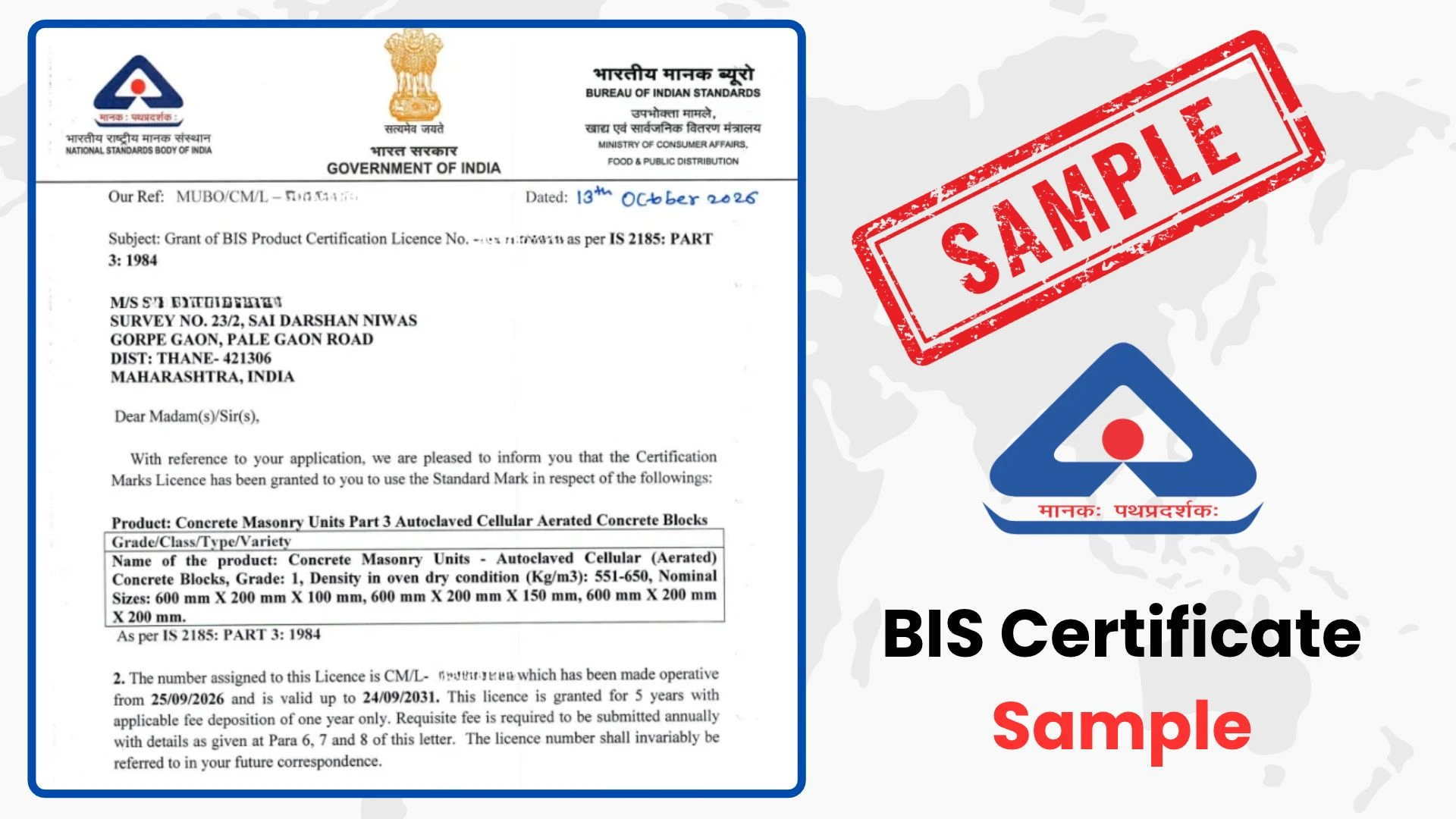
In accordance with the Bureau of Indian Standards (Conformity Assessment) Regulations, 2018, the mentioned goods should comply with the Indian Standards announced by the Bureau of Indian Standards (BIS). Under Scheme-I of Schedule-II products must have the BIS Standard Mark (ISI Mark) on them.
Also, different compliance schedules are outlined against general businesses, small enterprises, and micro enterprises.
Products Covered under Bearings (Quality Control) Order, 2025
The following bearings and related items, along with their respective Indian Standards, fall under the scope of the Bearing (Quality Control) Order, 2025: In addition, it is provided that nothing in this Order shall apply to the following:
(a) Goods or articles manufactured domestically for export purposes;
(b) Goods or articles imported as part of a finished product, sub-assembly, or component;
(c) Goods or articles imported by a manufacturer for the purpose of manufacturing equipment, products, sub-assemblies, or components meant for export from India, provided that the manufacturer submits a self-declaration to the Central Government on its letterhead, duly signed by an authorized signatory. This declaration must include the invoice number of the imported consignment and other relevant details, along with an undertaking that such imported goods or articles will not be used for any purpose other than export and will not be sold in the domestic market. Additionally, the manufacturer is required to maintain proper records of the imported goods/articles and the products manufactured from them, which may be verified or audited by the concerned government authorities;
(d) Up to two hundred (200) goods or articles imported annually by bearing manufacturers for research and development (R&D) purposes, provided that such imported goods or articles are not sold commercially and are disposed of only as scrap. The manufacturer must also maintain a year-wise record of such goods or articles and submit it to the Central Government.
Tapered Roller Bearings – IS 12102:1987
Self-aligning Roller Bearings – IS 6454:1972
Single Row Deep Groove Ball Bearings – IS 6455:2020
Double Row Radial Ball Bearings – IS 6456:1972
Single Row Cylindrical Roller Bearings – IS 6457:2024
Double Row Cylindrical Roller Bearings – IS 6458:1972
Thin-walled Plain Bearings – IS 10203:1982
Plain Bearings – Thick-Walled Bushes, Plain and Flange Type, Full-Round (Without Any Joint or Slit) – IS 10203:1982
Ring Type Needle Bearings – IS 4215:1983
Plain Bearings Ring Type Thrust Washers Made from Strip – IS 9764 (Part 1):2022
Plain Bearings Pressed Bimetallic Half Thrust Washers – IS 9764 (Part 2):2022
Porous Metal Powder Oil Impregnated Bearings – IS 3980:1982
Note:- The most recent version of the relevant Indian Standards, with any amendments announced periodically by the Bureau of Indian Standards (BIS), will be applicable.
Exemptions under the Bearings QCO
Bearings and related goods manufactured domestically for export are exempt from this Order. Bearing manufacturers are permitted to import up to 200 items annually for research and development (R&D) purposes, subject to compliance with the following conditions:
1. Such goods shall not be sold commercially under any circumstances.
2. They may only be disposed of as scrap and cannot be used in any other manner.
3. A year-wise record must be maintained and submitted to the Central Government.
Any person or business found violating this Order shall be liable for penalties under the Bureau of Indian Standards Act, 2016. The Bureau of Indian Standards (BIS) will act as the certifying authority responsible for inspection and enforcement.
Effective Date of the Bearings QCO
This Order shall come into force from the date of its publication in the Official Gazette. The “Bearings (Quality Control) Order, 2025” will be implemented as follows:
1. For general businesses (excluding micro and small enterprises): within 6 months from the date of publication of the Order.
2. For small enterprises: within 9 months from the date of publication of the Order.
3. For micro enterprises: within 12 months from the date of publication of the Order.
What Bearing Manufacturers, Importers, and Sellers Need to Do for Certification
Before proceeding with compliance under the Bearings QCO, businesses should carefully assess whether their products fall within the scope of the order. It is essential to verify the applicable Indian Standards for each category of bearings and ensure alignment with the prescribed requirements.
Manufacturers and importers must apply for BIS certification under Scheme-I (ISI Mark Scheme) within the stipulated timeline to avoid any regulatory issues. In cases where imports are made for R&D purposes, proper documentation should be maintained to support applicable exemptions.
To ensure smooth operations, companies should proactively plan adjustments in their inventory and production processes, thereby minimizing the risk of disruptions or penalties. Non-compliance may attract penalties under the provisions of the BIS Act, 2016, as the Bureau of Indian Standards acts as the certifying and enforcement authority for this order.
Aleph India provides end-to-end support to bearing manufacturers and importers for BIS compliance, including certification, documentation, and advisory on exemptions. With over 16 years of experience, we ensure a seamless approval process and uninterrupted market access.