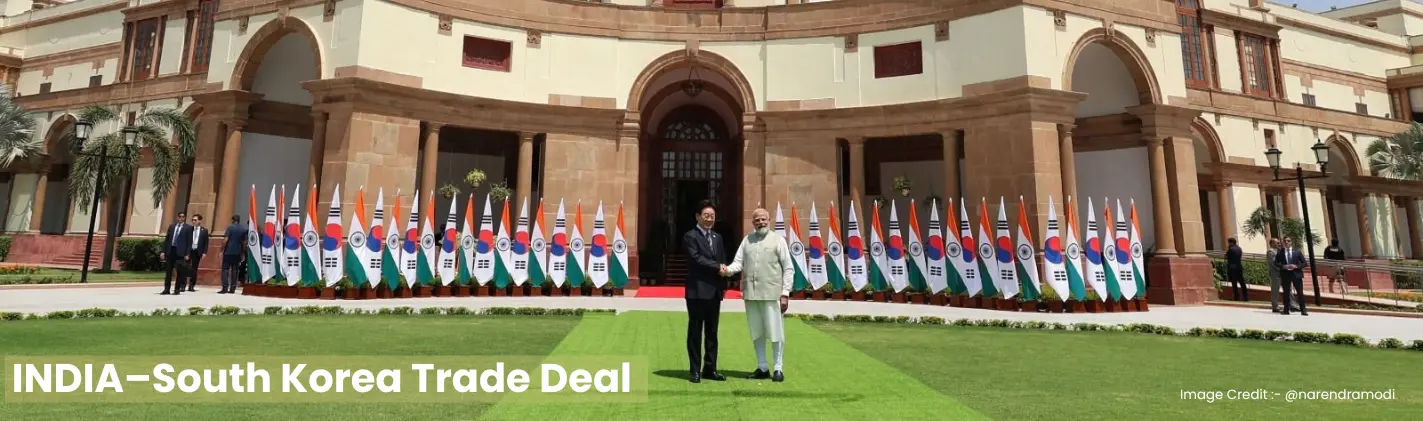
After nearly two decades of intermittent negotiations, India and the European Union have announced what leaders on both sides are calling a landmark free trade agreement, one that could fundamentally reshape economic ties between the two regions. European Commission President Ursula von der Leyen, speaking in Delhi, described it as “the biggest agreement of all,” while Prime Minister Narendra Modi called it “historic,” underlining its scale, ambition, and strategic significance.
The agreement opens the door to free trade between the 27-nation European bloc and the world’s most populous country, together accounting for roughly 25 percent of global GDP and representing a combined market of nearly two billion people. Beyond tariffs, the pact is designed to strengthen investment flows, deepen supply-chain integration, and reinforce political and security cooperation at a time of growing global uncertainty.
Under the deal, tariffs will be reduced or eliminated on a wide range of goods and services. The European Commission has stated that duties on most exports of chemicals, machinery, electrical equipment, and even aircraft and spacecraft will be phased out over time. One of the most closely watched provisions concerns automobiles: import duties that currently go as high as 110 percent will be reduced to 10 percent under a quota of 250,000 vehicles, a figure significantly larger than quotas granted under previous trade arrangements. India has also agreed to lower tariffs on wine, beer, and olive oil from the EU, signaling a gradual opening of its consumer market.
From India’s perspective, almost all domestic exports are expected to receive preferential access to the European market. Sectors such as textiles, leather, marine products, handicrafts, gems and jewellery stand to benefit from reduced or zero tariffs, while products like tea, coffee, spices, and processed foods will also gain improved access. At the same time, Delhi has been careful to protect sensitive sectors including dairy, cereals, poultry, soy meal, and certain fruits and vegetables highlighting a calibrated approach that balances export growth with domestic priorities.
The agreement also includes a mobility framework aimed at easing short-term travel for professionals between India and the EU, a move expected to benefit services, technology collaboration, and cross-border business engagement. Prime Minister Modi has emphasised that the deal will support Indian farmers, small businesses, and manufacturers, while fostering innovation and strengthening the services sector. European leaders, meanwhile, see the pact as a strong political signal in favour of cooperation over protectionism.
Yet while tariff reductions dominate headlines, experts caution that the real test of the agreement will lie beyond customs duties. Non-tariff measures, particularly regulatory standards and compliance requirements will continue to play a decisive role in determining how easily goods can actually move across borders.
This reality is especially relevant for European manufacturers looking to export products into India. Even under the new free trade framework, access to the Indian market will still be governed by domestic regulations, including India’s mandatory product certification regime administered by the Bureau of Indian Standards (BIS).
For a wide range of products, BIS certification is not optional. India operates a Compulsory Certification Scheme under which notified goods must conform to Indian Standards and carry the appropriate BIS mark before they can be imported, sold, or distributed in the country. This requirement applies equally to domestic manufacturers and foreign suppliers, including exporters from the European Union.
In practical terms, if products such as electrical and electronic equipment, industrial machinery, steel and metal products, solar equipment, gas cylinders, pressure regulators, household appliances, or certain chemicals are exported from the EU to India, BIS certification may be mandatory depending on the applicable Quality Control Orders. In the absence of valid BIS approval, such consignments can be detained or rejected at Indian ports, regardless of tariff concessions granted under the free trade agreement.
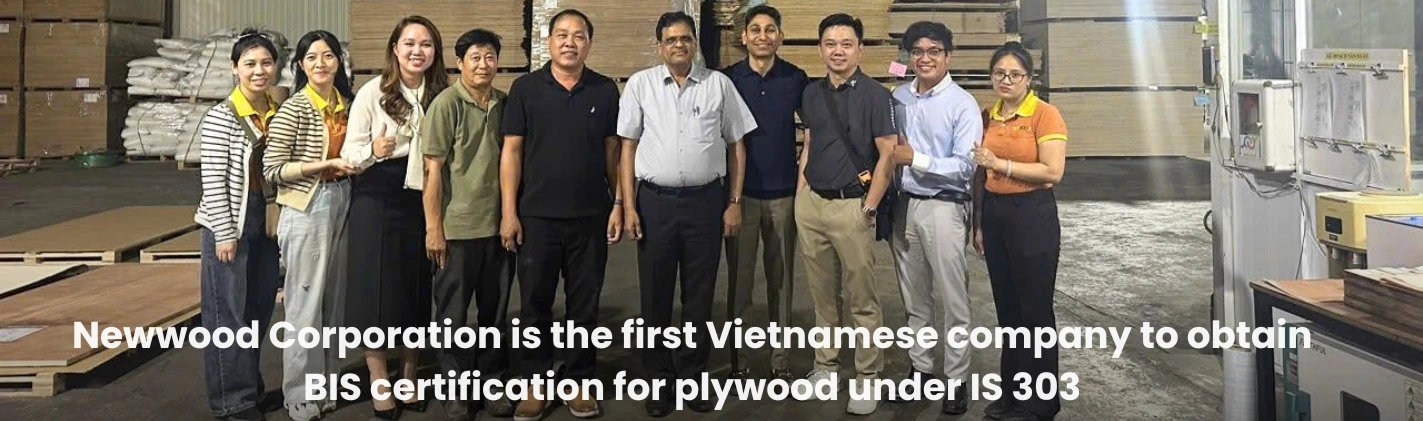
To address this, foreign manufacturers are required to follow the Foreign Manufacturer Certification Scheme, under which EU producers must obtain a BIS licence, ensure product testing as per relevant Indian Standards, and appoint an Authorised Indian Representative to act as a local compliance interface. This framework reflects India’s focus on consumer safety, product quality, and regulatory oversight, and it is unlikely to be diluted even as trade volumes increase.
Analysts note that this compliance dimension mirrors challenges Indian exporters face in the European market, where stringent environmental, sustainability, and carbon-related regulations apply. Economists have pointed out that while India’s manufacturing sector stands to gain significantly from the agreement, adapting to high regulatory standards whether EU rules for Indian exports or BIS norms for EU imports will be critical to fully realising its benefits.
Seen in this light, the India–EU free trade agreement is less an end point and more a foundation. As Andrew Small of the European Council on Foreign Relations has observed, the deal is being viewed as a building block for a deeper, long-term relationship rather than a final destination. For European businesses, that means tariff relief must be matched with regulatory preparedness. For Indian authorities, it means ensuring that liberalisation does not compromise safety, quality, or domestic policy objectives.
Formal signing of the agreement is expected later this year, following ratification by the European Parliament and EU member states. When it comes into force, it will undoubtedly expand opportunities on both sides. However, for EU exporters eyeing the Indian market, one message is already clear: while the “Mother of All Deals” may open the door, compliance with BIS certification requirements will determine who can actually walk through it.