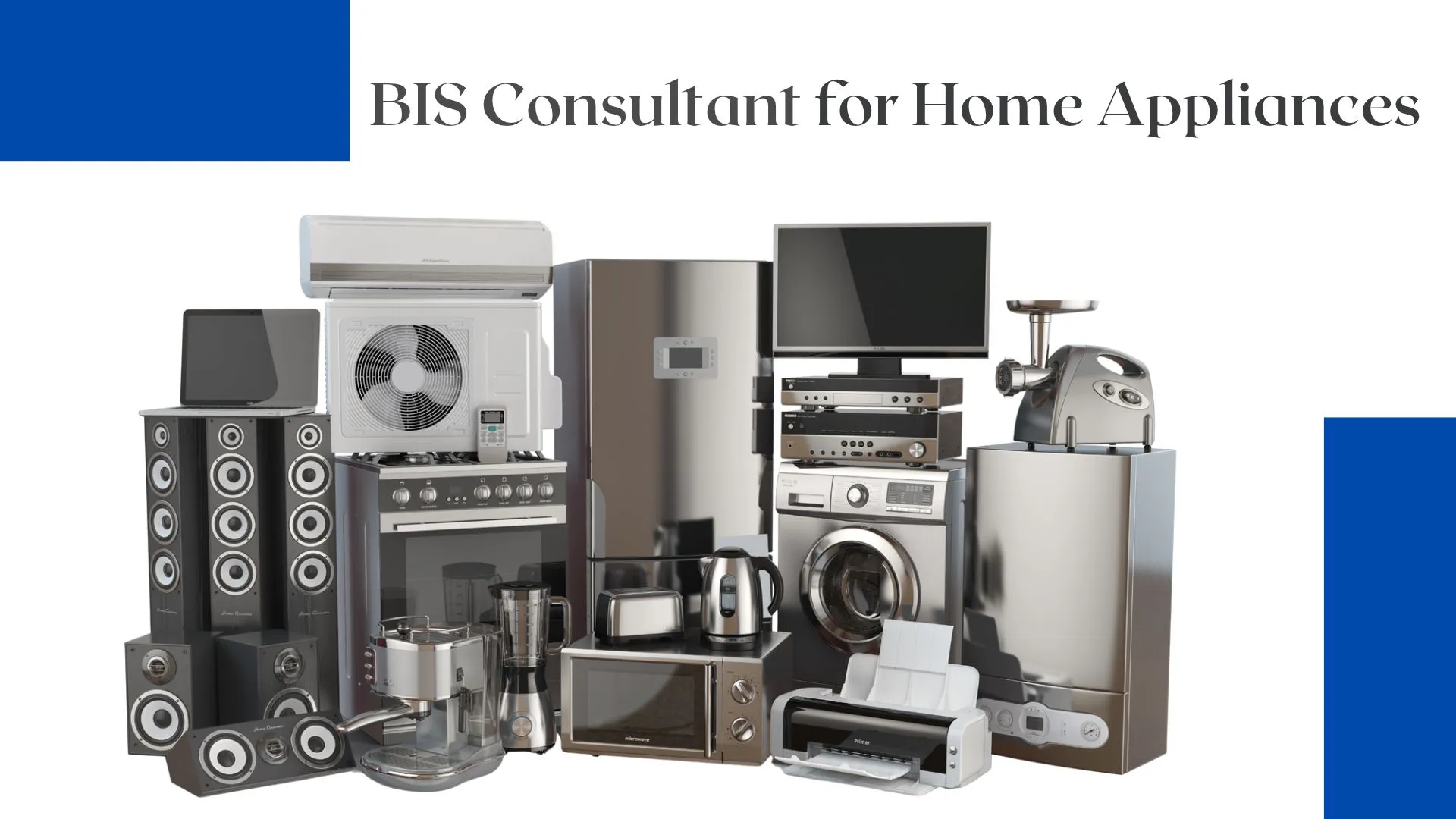
Are you looking for a BIS consultant for home appliances? At Aleph India, we help manufacturers and importers understand applicable Indian Standards, prepare documentation, coordinate product testing, manage the BIS application process, and complete the certification process under the guidance of a former BIS Director General. Home appliances are used in residences, businesses, and institutions, such as offices, hotels, restaurants, hospitals, etc. Vacuum cleaners, ovens, dishwashers, water heaters, coffee makers, food processors and other appliances should be of a prescribed quality and should comply with prescribed safety requirements, before they are introduced in the Indian market.
The Bureau of Indian Standards (BIS) has a scheme to ensure the quality and safety of products, through the grant of certification. As per IS 302 (Part 1): 2024, household, commercial, and similar electrical appliances should comply with the applicable general safety requirements.
Manufacturers or importers of home appliances, seeking BIS certification, may engage the services of a professional BIS Consultant for Home Appliances. The consultant assists in interpreting Indian Standards and other documentation, product test and inspection, preparing and submitting BIS application, following up the process with the BIS and obtaining the certification.
What is BIS Certification for Home Appliances?
BIS Certification is a procedure that evaluates whether an electrical appliance is in compliance with the applicable Indian Standard. For household, commercial and similar electrical appliances, the relevant Indian Standard is IS 302 (Part 1): 2024, which incorporates general safety requirements and is harmonized with IEC 60335-1:2020.
The BIS Certification process ensures that the following safety concerns are addressed in an electrical appliance.
- Safe construction and operation.
- Prevention of electrical and mechanical hazards.
- Prevention of fire hazards.
- Protection against shock.
- Protection against hazards which may be experienced in normal use.
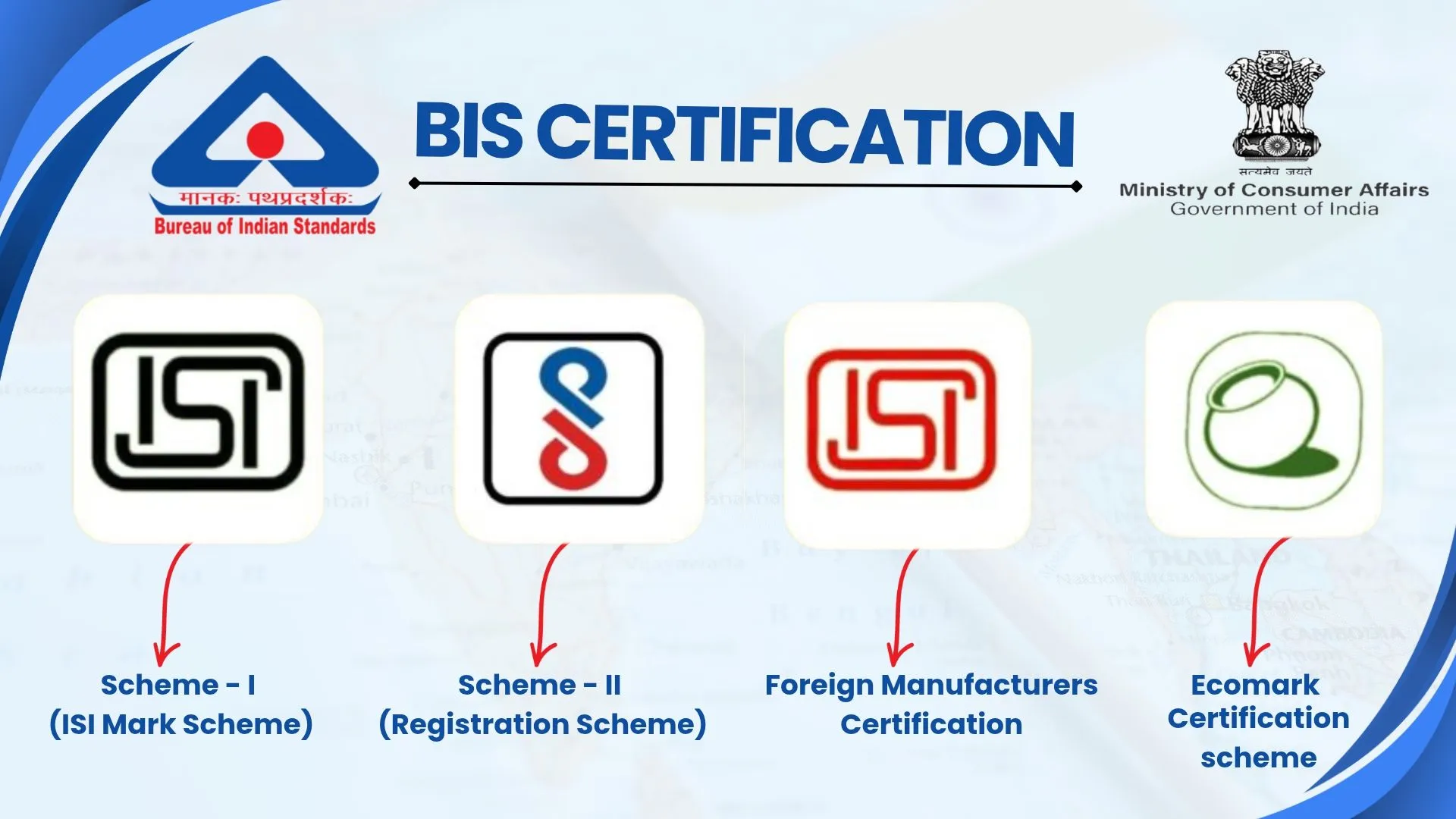
Manufacturers, after acquiring the required BIS license, are authorized to affix the ISI mark on the products certified under the concerned license, subject to fulfillment of conditions of the license.
BIS Quality Control Order (QCO) for Home Appliances
The Household, Commercial and Similar Electrical Appliances Safety (Quality Control) Order, 2026, includes mandatory requirements for covered electrical appliances.
The QCO states that specified products should be manufactured in accordance with the Indian Standard and BIS certified prior to their manufacturing, import, distribution or sale in India, subject to any exemption.
Implementation timeline:
The applicable requirements and exemptions should be checked against the relevant government notification before making compliance decisions.
| Manufacturer category |
Compliance date |
| Other than Micro and Small Enterprises | 1 October 2026 |
| Small Enterprises | 1 January 2027
|
| Micro Enterprises | 1 April 2027 |
Products Covered Under IS 302 (Part 1): 2024
The standard covers a wide range of household and commercial electrical appliances. Some examples include:
- Vacuum cleaners and water suction cleaning appliances
- Cooking ranges, hobs, ovens, and electric cookers
- Electric kettles and water boilers
- Coffee makers and food processors
- Dishwashers and commercial kitchen equipment
- Electric shavers, hair clippers, and massage appliances
- Electric steam cookers and frying appliances
- Humidifiers and air-cleaning appliances
- Electric heating tools and room heaters
- Electric juicers, grinders, and food preparation appliances
- Electric blankets, heating pads, and similar products
- Insect killers and electric call bells
The applicability of the standard must be checked against the product's specifications and the latest BIS product classification. Certain appliances already covered under other QCOs may fall outside this order.
BIS Certification Process for Home Appliances
There are several technical and regulatory procedures for obtaining BIS certification under Scheme-I of the BIS (Conformity Assessment) Regulations, 2018.
1. Product and Standard Identification
Manufacturers need to identify the Indian Standard applicable to their product and check if IS 302 (Part 1): 2024 and any relevant Part 2 requirements are applicable.
2. Documentation Preparation
Manufacturers need to prepare several documents including product specifications, manufacturing process details, quality control and other support records to be submitted with their application.
3. Product Testing
Product samples are tested at BIS recognized labs to determine compliance with relevant electrical safety, mechanical, thermal, and other requirements.
4. BIS Application Submission
Once the above steps are completed, manufacturers submit their applications through the applicable BIS certification process with supporting documents and test reports to BIS.
5. Factory Inspection
Officials of BIS assess the manufacturing facility to verify quality control systems, processes and the infrastructure to produce a consistent quality product.
6. Grant of BIS Licence
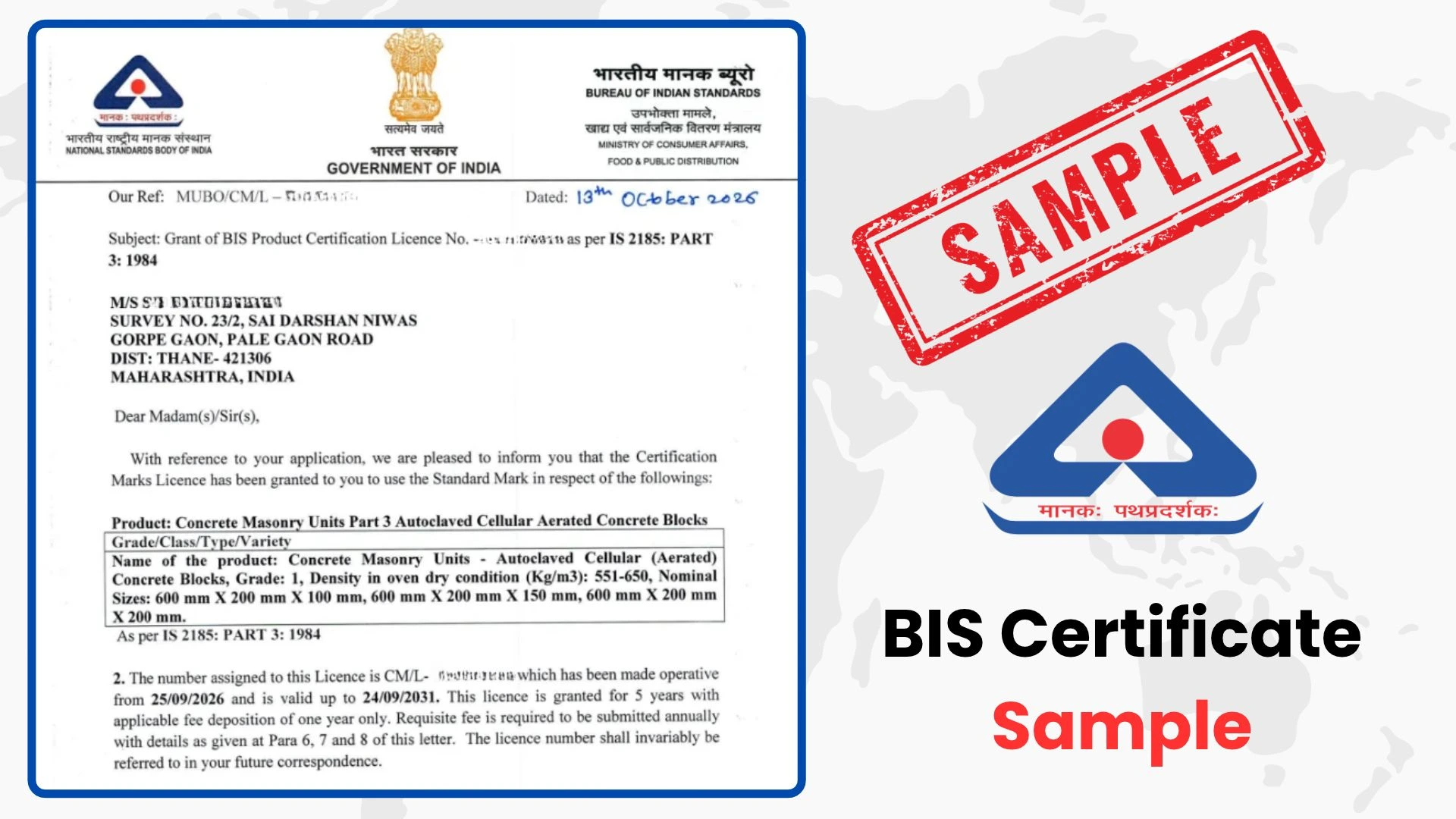
Upon assessment of application and the factory premises, along with the test reports, BIS issues a license to the manufacturer to use the ISI mark on the product.
7. Post-Certification Compliance
It is obligatory on the part of manufacturers to maintain the quality of the product as stipulated in the license and comply with the requirements of surveillance, inspection and renewal of the license.
Documents Required for BIS Certification of Home Appliances
Manufacturers generally need to arrange the following documents:
- Company registration certificate.
- Manufacturing unit address proof.
- Product technical specifications.
- Product drawings and circuit diagrams.
- Manufacturing process details.
- Factory layout and machinery details.
- Quality control plan.
- List of testing equipment.
- Calibration certificates, where applicable.
- Product test reports, where required.
- Authorisation letter and other applicable declarations.
The exact documentation requirements may vary depending on the product, manufacturing facility, and BIS certification requirements.
How Can a BIS Consultant for Home Appliances Help?
Obtaining BIS certification can be challenging for manufacturers, especially those unfamiliar with Indian product standards and regulatory procedures. An experienced BIS consultant provides professional assistance throughout the certification process.
A BIS Consultant for Home Appliances can help with:
- Standard Identification: Identifying applicable Indian Standards and relevant QCO requirements.
- Documentation Support: Preparing and reviewing technical documents and application records.
- Product Testing Coordination: Assisting with sample preparation and coordination with BIS-recognised laboratories.
- Application Filing: Supporting the submission of BIS certification applications.
- Factory Inspection Preparation: Helping manufacturers prepare their facilities, quality systems, and testing arrangements.
- Regulatory Coordination: Providing guidance on BIS queries and certification-related communication.
- Licence and Compliance Support: Assisting with licence conditions, renewals, and ongoing compliance requirements.
Professional consultancy helps manufacturers reduce documentation errors, avoid unnecessary delays, and manage the certification process more efficiently.
Why Choose Aleph India as Your BIS Consultant for Home Appliances?
Aleph India provides regulatory compliance and certification consultancy services to manufacturers, importers, and businesses seeking BIS approval for their products in India.
With experience in product certification, inspection, testing, and quality assurance, Aleph India assists businesses in understanding applicable Indian Standards and completing the necessary certification procedures.
Our support includes:
- BIS certification consultancy for household and commercial electrical appliances.
- Identification of applicable Indian Standards and QCO requirements.
- Technical documentation and application assistance.
- Coordination for product testing.
- Factory inspection preparation.
- BIS licence and regulatory compliance guidance.
- Assistance for domestic and foreign manufacturers.
Whether you are launching a new home appliance, expanding your product portfolio, or entering the Indian market, Aleph India can help you navigate the BIS certification requirements.
Contact Aleph India today for professional BIS certification consultancy for home appliances and get expert guidance for your certification requirements.
Frequently Asked Questions (FAQs)
1. What is the applicable BIS standard for home appliances?
IS 302 (Part 1): 2024 / IEC 60335-1:2020 specifies general safety requirements for household, commercial, and similar electrical appliances covered under the QCO.
2. Is BIS certification mandatory for home appliances in India?
Yes. BIS certification is mandatory for products covered under the applicable Quality Control Order, subject to specified exemptions and implementation dates.
3. Which BIS certification scheme applies to home appliances?
Covered appliances require certification under Scheme-I of the BIS Conformity Assessment Regulations, 2018, with the applicable ISI Standard Mark.
4. Who can apply for BIS certification?
Eligible domestic and foreign manufacturers can apply for BIS certification, subject to the applicable scheme requirements.
5. Can an importer obtain BIS certification for home appliances?
BIS product certification is generally granted to manufacturers rather than importers. Importers can coordinate with the manufacturer to ensure that the product has the required BIS licence before importation.
6. Why should I hire a BIS consultant for home appliances?
A BIS consultant helps with standard identification, documentation, product testing coordination, application filing, factory inspection preparation, and regulatory compliance.
7. What is the implementation date of the Home Appliances QCO 2026?
The implementation dates are 1 October 2026 for enterprises other than micro and small enterprises, 1 January 2027 for small enterprises, and 1 April 2027 for micro enterprises.