Indian BIS Consultant helps New Zealand manufacturers and exporters obtain BIS certification. Know FMCS and CRS, required documents and application process in this blog. Suppose one manufacturer in Auckland, New Zealand orders a huge quantity of goods from a buyer in India. There is a price agreed and product samples have been examined, and both businesses are prepared to start a business relationship. The manufacturer already meets quality standards in New Zealand and has the requisite documents to support the quality process for business and technical.
Before the products are shipped, however, the Indian buyer asks an important question- Does this product need BIS certification to be imported in India or to be sold?
We discuss BIS certification for New Zealand manufacturers, the distinction between FMCS and CRS, the documents which may be required, the application method and some common mistakes along with how Aleph India can assist businesses in getting ready for the Indian market.
Why Do New Zealand Manufacturers Need BIS Certification?
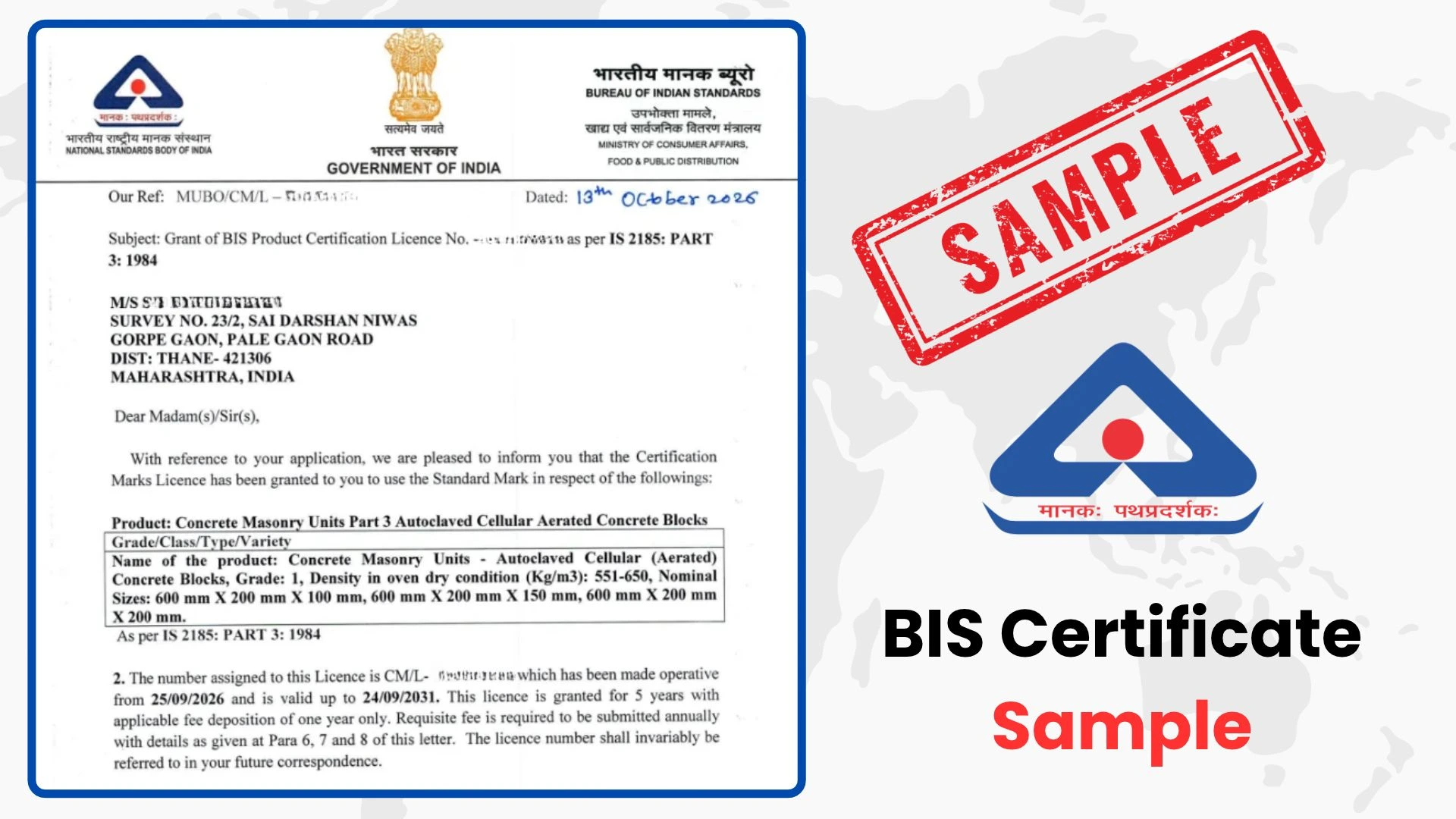
BIS certification is a conformity assessment procedure to determine if the products comply with the Indian Standards and regulatory requirements. The standards can apply to product safety, performance, quality, construction, test procedures and other product attributes.
In case of mandatory certification requirements for foreign manufacturers, BIS certification could become a part of their product preparation for the Indian market.
There is a BIS consultant in New Zealand that will aid manufacturers in comprehending the requirements applicable to them shipping products to India. This assistance can involve finding the right Indian Standard, delivering a product specification review, comprehending the certification system, and composing technical paperwork.
Product certification primarily aims to establish that products subject to mandatory product requirements are compliant with the relevant standards and conditions of regulation.
How Can Aleph India Help as a BIS Consultant in New Zealand?
Aleph India assists manufacturers, exporters and overseas businesses to comprehend and resolve BIS certification requirements in the Indian market.
Depending on the product, the Indian Standard and the certification scheme, the support required is different. Businesses can rely on Aleph India to help them comprehend the certification process and the required regulatory actions.
1. Identification of Applicable Indian Standards
The first step is to pinpoint the applicable Indian Standard for the product. Manufacturers are advised to check the product's specifications, intended use, technical data and related regulatory announcements.
Businesses can learn about the requirements that apply to them and understand which certification path might be relevant to their products through the support of Aleph India.
2. Guidance on the Correct Certification Scheme
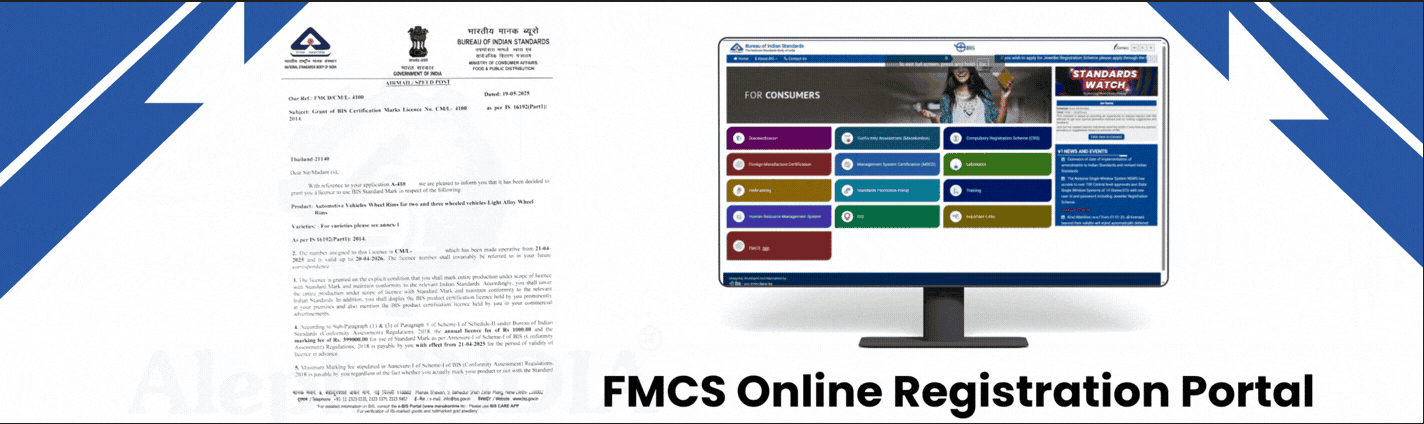
BIS has various product certification schemes. Certain products manufactured outside India are applicable to the scheme called Foreign Manufacturers Certification Scheme (FMCS) and some specific product categories are applicable to the Compulsory Registration Scheme (CRS).
The correct way is determined by the product and the relevant regulations. In the case of the scheme, Aleph India assists the manufacturers to understand the relevant scheme, what is required and how to apply.
3. Product Testing and Laboratory Coordination
In many BIS certification processes, testing of the products is an essential part. Products can be subject to testing at a BIS recognised laboratory, depending on the relevant scheme and standard.
Before starting the process, the manufacturer should ensure that the necessary tests are carried out, and that the appropriate number of samples is obtained, the testing method is followed, and the testing laboratory is arranged. Aleph India has the expertise to help you understand these requirements and coordinate the testing activities, if applicable.
4. Technical Documentation and Application Preparation
A certification application can get delayed due to incomplete and inconsistent documentation. Manufacturers might be required to submit product specifications, manufacturing information, quality-control processes, test reports and other supporting documents.
Aleph India assists businesses to understand the documentation requirements and prepare the required documents for the relevant certification process.
5. Factory Assessment and Compliance Preparation
BIS can review the overseas manufacturing facility, quality control systems, testing facilities and manufacturing methods.
The manufacturers need to ensure compliance to the applicable requirements in their production and quality system. Aleph India can assist businesses in navigating through the assessment process and readiness for the respective compliance procedures.
6. Authorised Indian Representative Arrangements
In accordance with the certification requirements applicable to the manufacturer of foreign goods, foreign manufacturers may have to designate an Authorised Indian Representative (AIR) to fulfill the applicable eligibility and responsibility requirements.
The role of the representative and their documentation will vary according to the scheme. Manufacturers can rely on Aleph India to guide them on AIR requirements and what arrangements might be required for their applications.
7. Licence Maintenance and Renewal Guidance
Obtaining certification is not necessarily the end of the compliance process. It will also depend on the scheme whether the manufacturer has to keep the product conforming to the scheme, meet marking requirements, undertake surveillance activities and renew their licence as necessary.
At Aleph India, businesses can get a better grasp of their current obligations and approach for renewals and compliance requirements that apply.
What Are the Costs of BIS Certification for New Zealand Manufacturers?
The pricing of BIS certification varies according to the product category, Indian standards to be applied, certification scheme and complexity of the application. Manufacturers should factor in the following possible costs:
- Official BIS fees: application, licence and renewal fees and marking fees, if applicable.
- Laboratory testing charges: Laboratory testing fees and any other testing a product must undergo under the applicable scheme.
- Factory assessment expenses: Inspection expenses (including travel expenses) incurred in the inspection.
- Authorised Indian Representative costs: Costs of arrangements organised by the authorised Indian representative, if any.
- Professional consultancy charges: Charges for documenting, application setting up and coordination of application procedures.
Manufacturers should ask for a definite quotation which not only includes official BIS fees but also laboratory cost, travel cost and consultancy cost.
It is also good practice to explain the next steps when further testing, revised documentation and/or further assessments are necessary. Before the process starts scope of work and payment terms and responsibilities should be discussed.
Certification is not guaranteed by the fees charged for the consultation. Final decision will be made based on manufacturer's adherence to the relevant technical and regulatory requirements and assessment and approval procedures of the BIS.
How to Prepare Before Contacting a BIS Consultant
In order to make their first contact with New Zealand manufacturers more productive, the following information will be helpful to prepare:
Product details: Give the name of the product, technical specifications, intended uses, brand and appropriate model numbers.
Manufacturing information: Provide full factory address, manufacturing process information and quality control records available.
Existing technical documents: Collect product test reports, technical drawings, product certificates and other relevant documentation, if available.
Export plans: Indicate the intended Indian market, schedule of shipments, and any certification requirements provided by an Indian buyer/importer.
Product range: If the company produces a range of products (models or variants) make a list of the similarities and differences.
This information may assist a consultant in determining the probable path to certification, and the information or testing that may be needed. The final requirements shall have to be checked against the current BIS regulations, Indian Standard as applicable and product notifications as applicable.
Why Choose Aleph India as Your BIS Consultant in New Zealand?
New Zealand companies can encounter unfamiliar certification processes, technical documentation requirements and product-specific regulatory requirements in India. Having a consultant familiar with the Indian compliance regime can facilitate the process for manufacturers.
There is no doubt that businesses will need guidance on BIS certification and other product compliance requirements to gain access to the Indian market from the likes of Aleph India. Support can be provided for:
- Designation of the appropriate Indian Standard and certification scheme.
- Knowledge of the necessary certification requirements.
- Creating and updating technical documentation.
- Knowing the laboratory and factory assessment needs.
- Advice on FMCS and Authorised Indian Representative arrangements (if applicable).
- Awareness of the requirements for licence, marking, renewal and post-certification.
Manufacturers should discuss the consultant's proposed work scope, cost, responsibilities and estimated timelines before hiring the consultant. Times to get certified and times to process may differ depending on product and application requirements.
Businesses can reach out to Aleph India for information regarding the products category and planned exports to India.
Conclusion
As India has various industries that provide opportunities to New Zealand manufacturers, however, product compliance should be taken into consideration before starting export activity. Key initial steps are identification of the Indian Standard, determination of the need for certification and determination of the appropriate certification scheme.
A BIS Consultant in New Zealand, like Aleph India, can assist manufacturers in understanding these requirements, arranging for technical documentation and subsequent testing, factory assessment and certification processes.
The most effective way to start is by looking at the product specifications, manufacturing information and any technical records that are already on hand. This aids to define the probable path to certification, determine potential compliance issues and to enable more realistic planning for market entry to India.
Approval by BIS shall continue to be subject to regulations applicable and the assessment process.