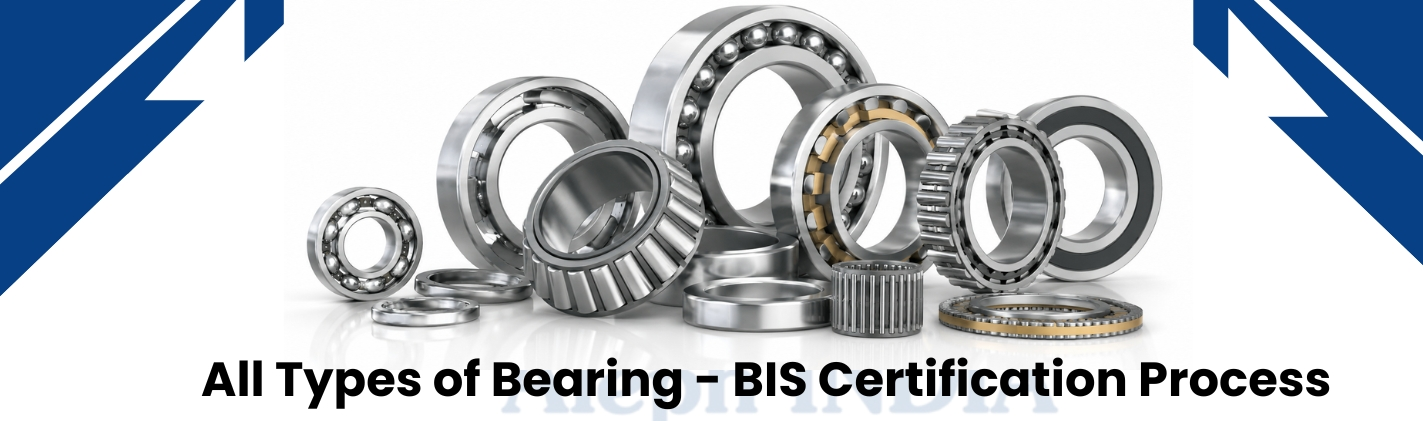
Bearings are machine components used to minimize friction between moving parts and to facilitate more fluid, faster operation of the device. There are two main categories of bearings according to how they work: between machine parts or to allow various types of motion. To ensure technical reliability, safety, and manufacturing quality, BIS has developed 12 Indian Standards for bearings. The standards outline correct dimensions, design and quality specification for bearings in different equipment and machinery.
Advanced bearings are precision-engineered components that enable movement in any kind of machine – one of the most important tasks. To make high quality bearings, the highest standards must be adhered to. Hence it is mandatory for manufacturers to get BIS Certification for their bearing products for market entry in India.
This blog details the various types of bearings which are available, the Indian Standards applicable for bearings, BIS certification for a bearing manufacturer and the necessary documents and testing procedures. There is a free consultation service provided by Aleph INDIA for bearings for both Indian and foreign manufacturers.
What are the Characteristics of Bearings and Indian Standards Name ?
Bearings are a precision engineered machine part used to facilitate and minimize friction between moving parts. They are crucial to the efficient running of the machine, reducing wear and tear and running smoothly under different loads. Bearings have a number of important qualities that make them perform and be reliable.
Characteristics of Bearings
Friction Reduction : The main purpose of a bearing is to minimize friction between the surfaces that are moving. This allows for higher speeds, decreased component wear, reduced friction for more efficient operation and avoids overheating or failure.
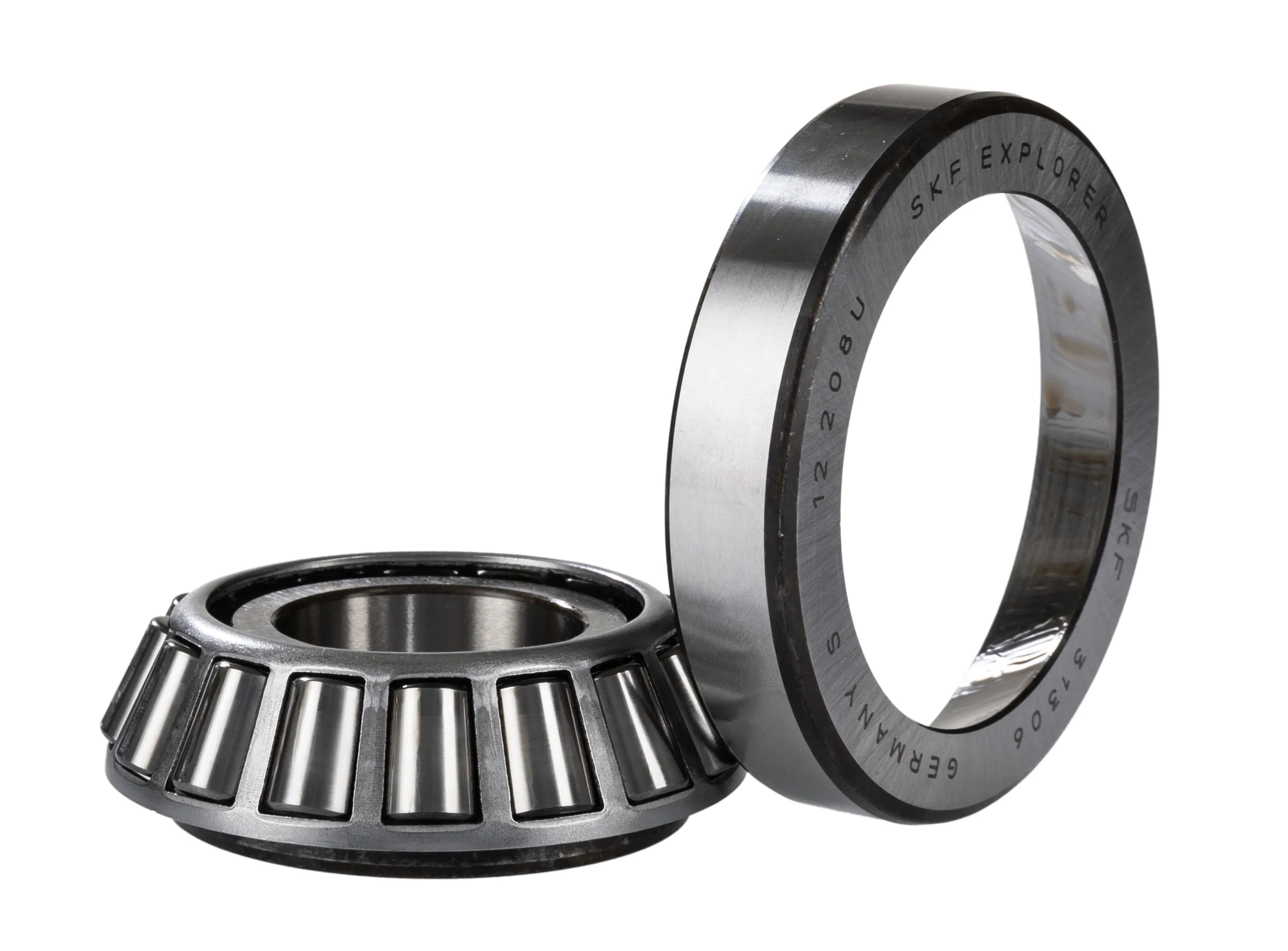
Shape and Design : The difference between ball bearings and roller bearings lies in the shape of their rolling elements: ball bearings have spherical rollers, while roller bearings have cylindrical or tapered rollers. The shape of these components aids in load distribution and minimises resistance to movement.
Material Properties : The material used for bearings has a great influence on them. Durability, low friction, corrosion resistance and long service life are provided by using high-quality steel, bronze and specialized plastics.
Lubrication : Lubrication forms a thin film of protective material between the moving parts, reducing the metal-to-metal contact. Adequate lubrication minimizes friction, reduces operating temperatures and prolongs bearing life.
Fluid Film Support : Some bearings employ a fluid medium (oil or under pressure liquid) to keep moving parts apart. This design is further optimized for reduced friction and wear.
Electromagnetic Fields : Magnetic bearings are bearings which operate by magnetic forces without mechanical contact. This eliminates mechanical friction and enables extremely high-speed operation.
Air Pressure : A thin layer of pressurized air floats the load and keeps the air bearings apart to provide essentially friction-free operation.
Load-Carrying Capability
Bearing design varies according to the type and magnitude of load it must support:
- Radial Loads : Forces acting perpendicular to the shaft axis.
- Axial (Thrust) Loads : Forces acting parallel to the shaft axis.
- Combined Loads : Simultaneous radial and axial forces.
- Moment Loads : Bending forces acting around the bearing axis.
Selecting the appropriate bearing type ensures optimum performance, reliability, and service life.
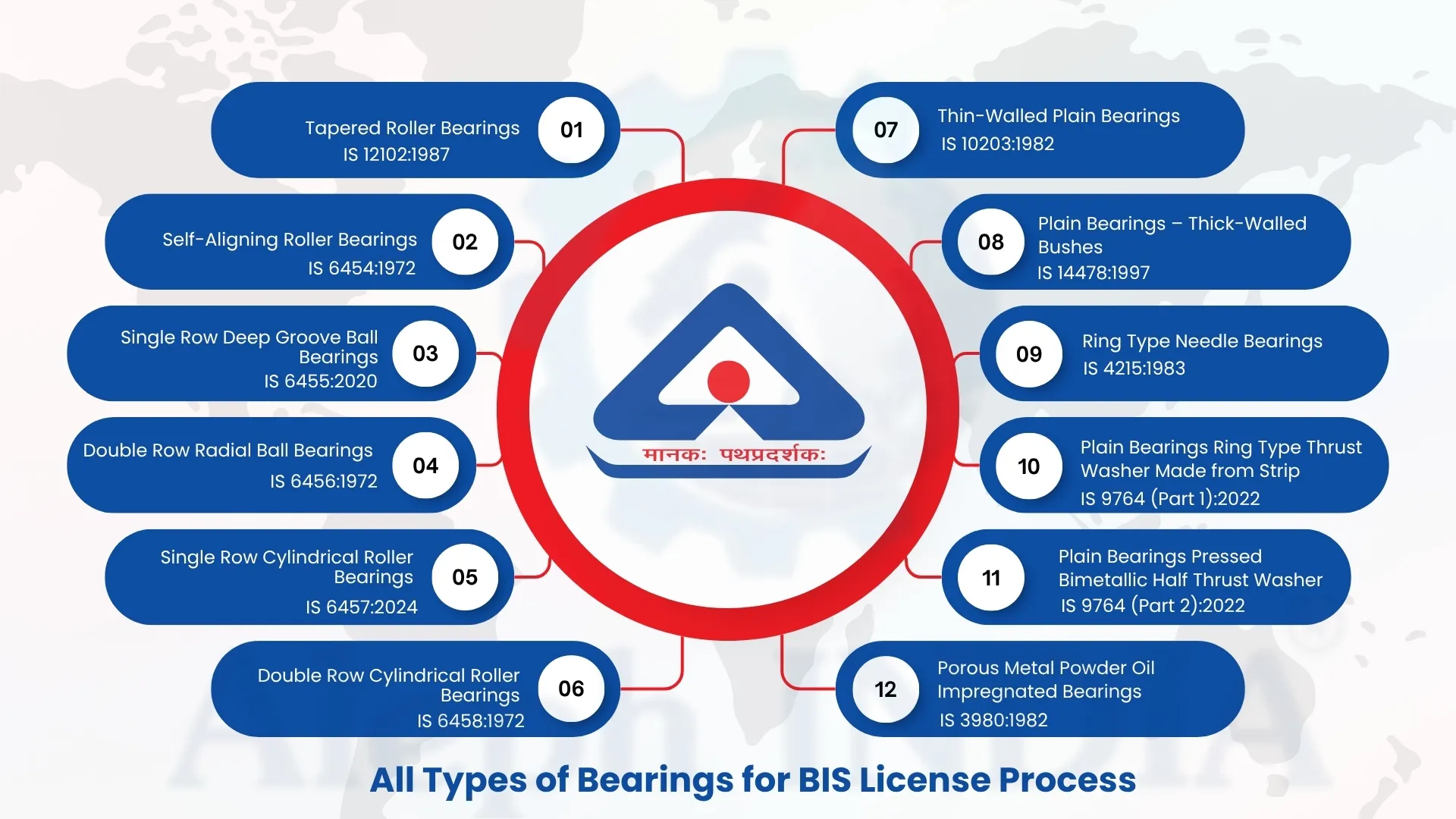
Indian Standards for Bearings
To ensure quality, safety, interchangeability, and performance, the Bureau of Indian Standards (BIS) has established the following Indian Standards for bearings:
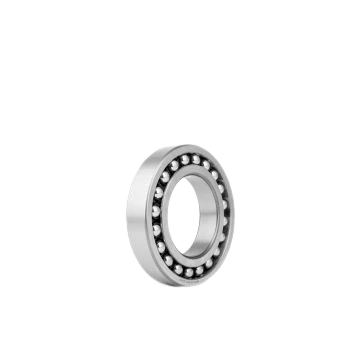
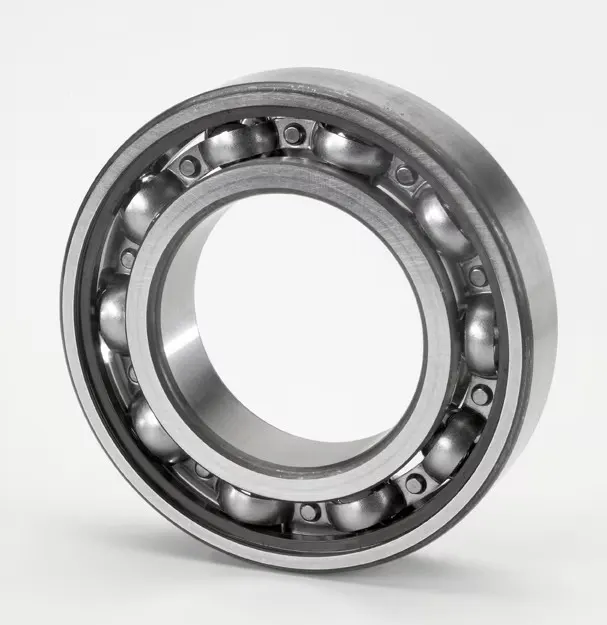
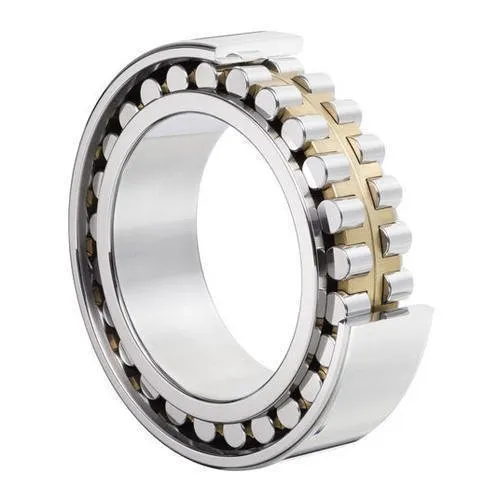
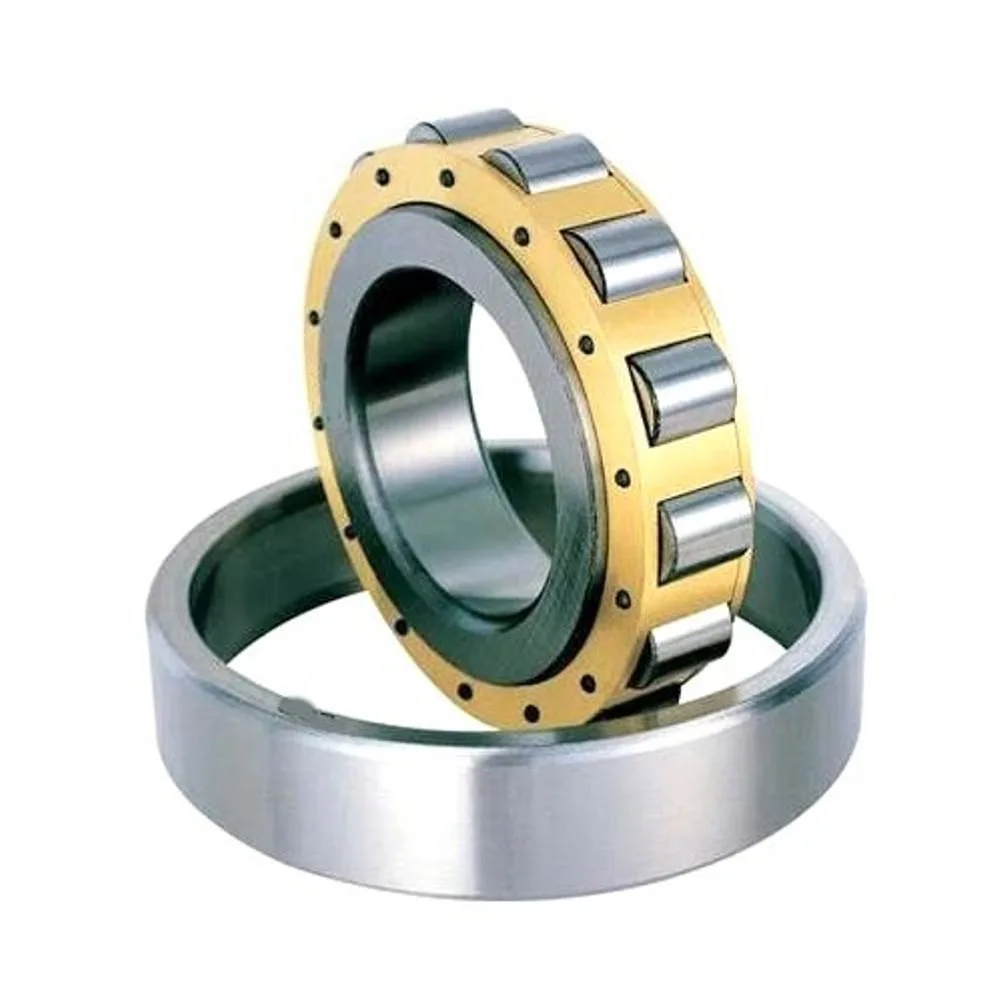
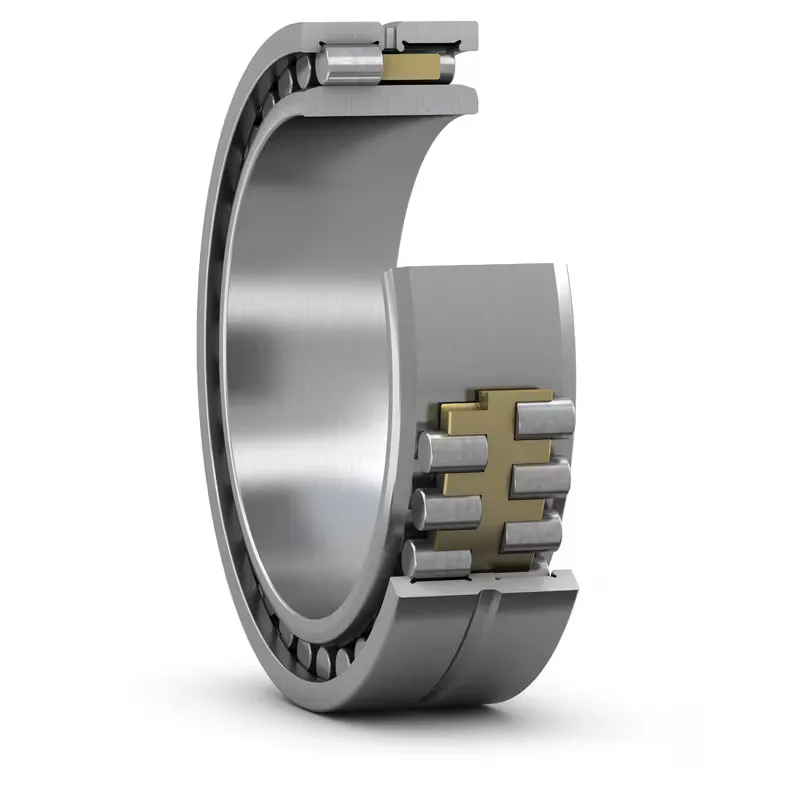
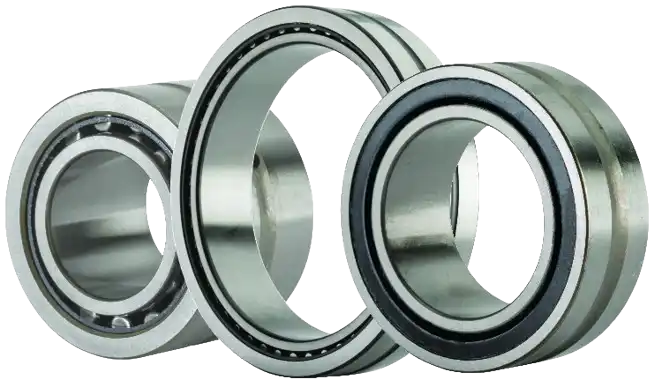
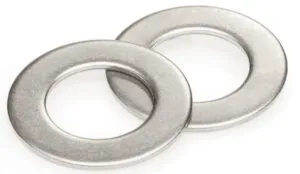
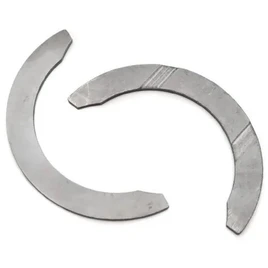
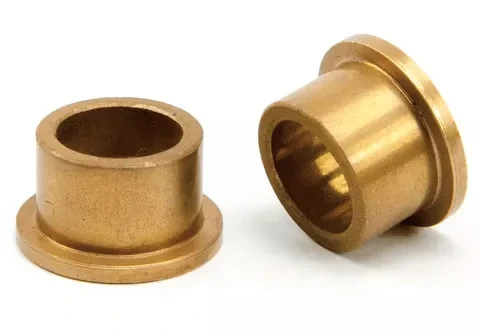
What is the Process of BIS Certification For All Types of Bearings ?
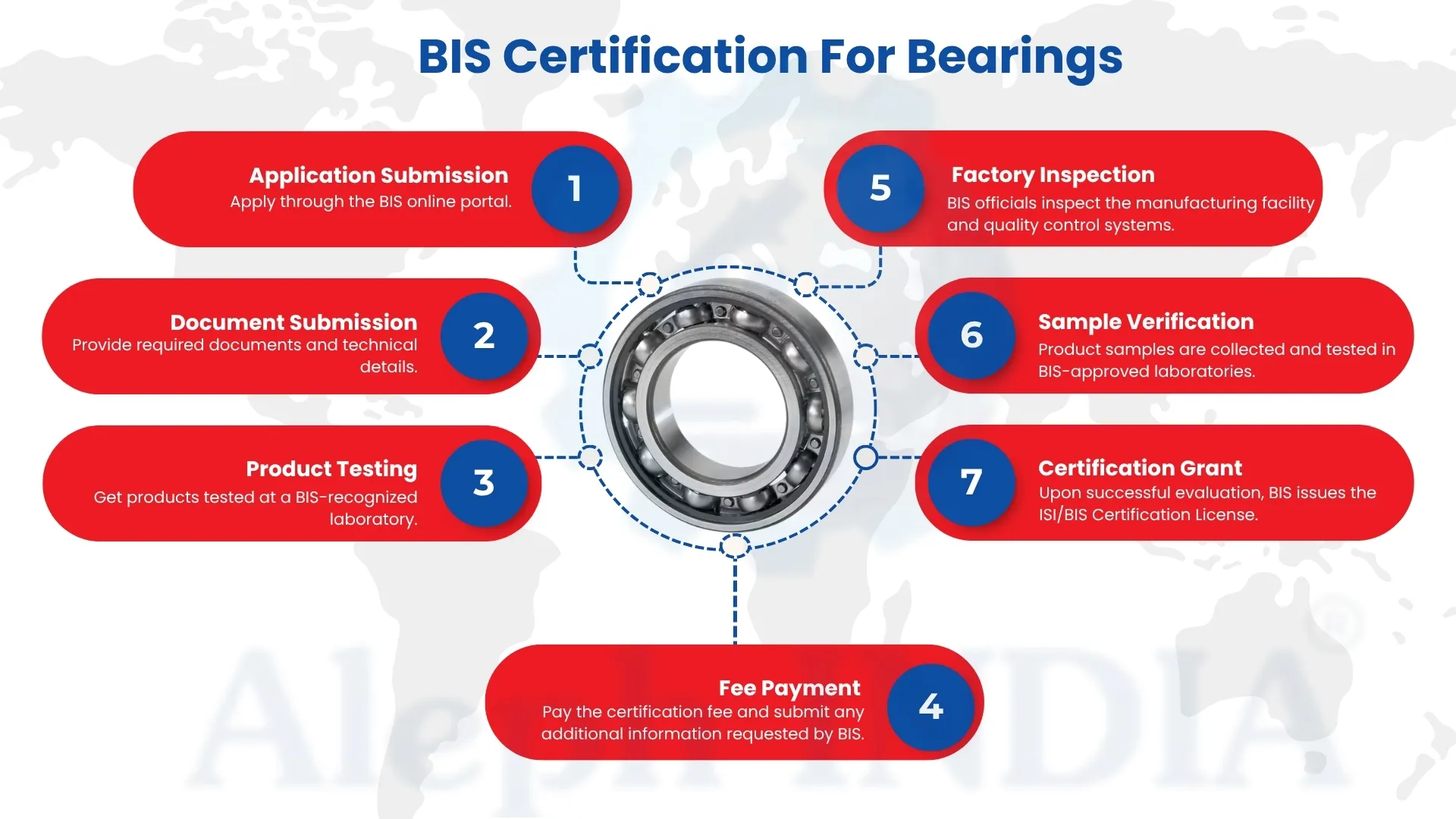
The process followed to obtain a BIS certification for bearings is a systematic process which ensures that the bearings are compliant with the Indian standards applicable. There are steps that manufacturers need to take:
- Submit an application through the BIS online portal.
- Include all necessary documents, technical information and manufacturing details with the application.
- Send to a BIS recognized laboratory for testing, and get the bearing products tested and submit test reports for evaluation.
- Pay any BIS certification fee and answer further questions and/or request additional documents from BIS.
- The factory inspection is carried out by BIS officials to evaluate the manufacturing process, quality control systems, testing facilities, etc. and the overall compliance.
- Product samples are taken during the inspection and tested by BIS approved laboratories.
- Following successful document verification, inspection verification and test verification, BIS issues a BIS/ISI certificate license to the manufacturer.
Foreign manufacturers must complete the certification process through the Foreign Manufacturers Certification Scheme (FMCS) which has its own requirements and procedures, as opposed to those of Indian manufacturers. BIS approval for bearings ensures adherence to Indian quality and safety regulations, fostering trust in the market and offering manufacturers a competitive edge in entering the Indian market. The certification process and product conformity with Indian Standard by the businesses will provide them with the BIS/ISI mark that will build their customer confidence in the product.
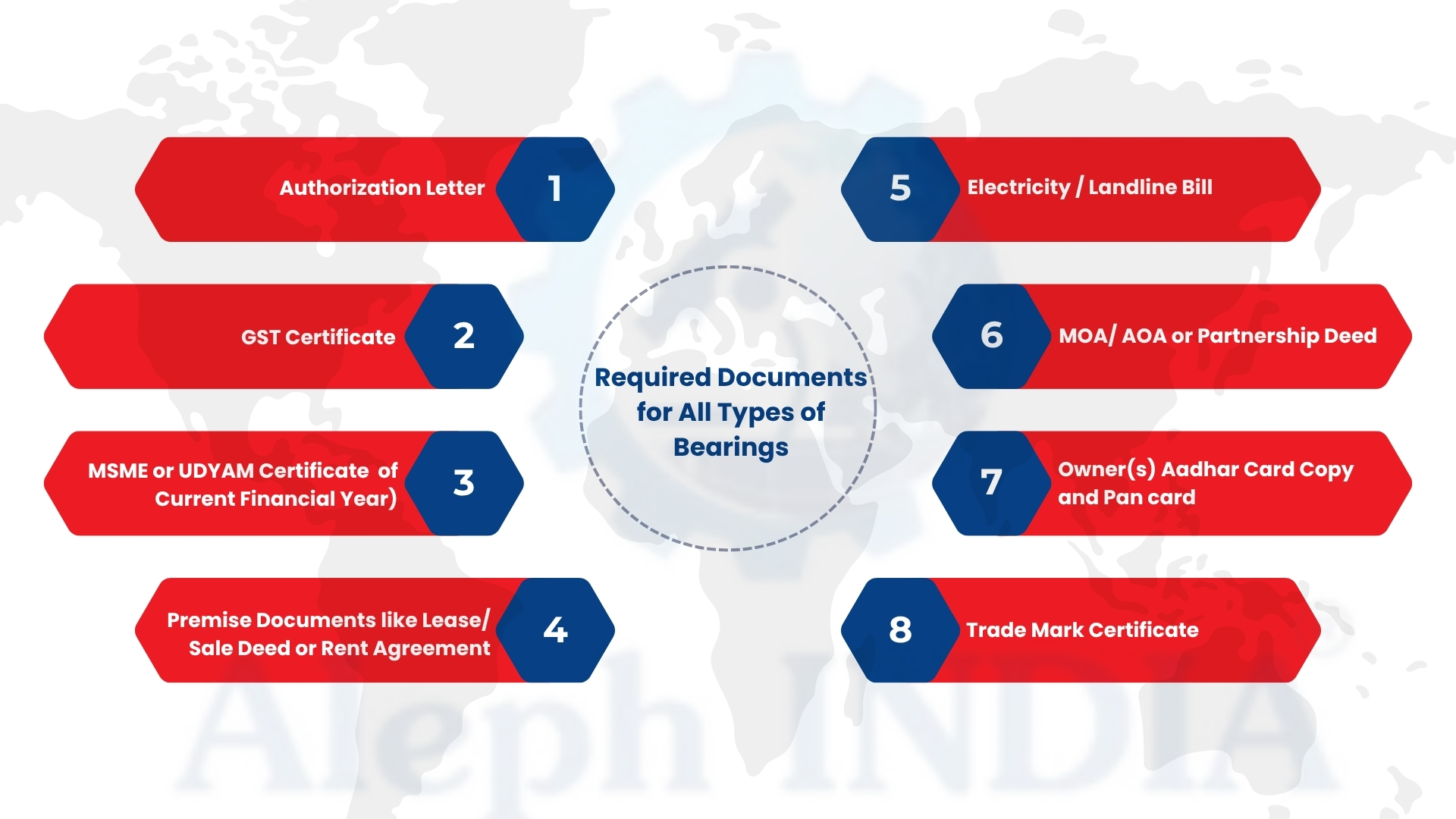
Required Documents for All Types of Bearings
Manufacturers applying for BIS Certification of bearings must submit a set of essential documents to verify their legal status, manufacturing capability, and product ownership. The following documents are generally required:
- Authorization Letter authorizing the signatory to represent the company during the certification process.
- GST Certificate as proof of business registration.
- MSME/UDYAM Certificate of the current financial year (applicable for MSMEs; not required for large-scale industries).
- Premises Documents such as a Lease Deed, Sale Deed, or Rent Agreement to establish ownership or occupancy of the manufacturing unit.
- Electricity Bill or Landline Bill as address proof of the manufacturing premises.
- MOA/AOA or Partnership Deed to verify the legal constitution of the organization.
- Aadhaar Card and PAN Card copies of the proprietor, partners, or authorized directors.
- Trademark Certificate (if the product is marketed under a registered brand name).
Submitting complete and accurate documentation helps ensure a smooth and timely BIS certification process for all categories of bearings covered under the relevant Indian Standards.
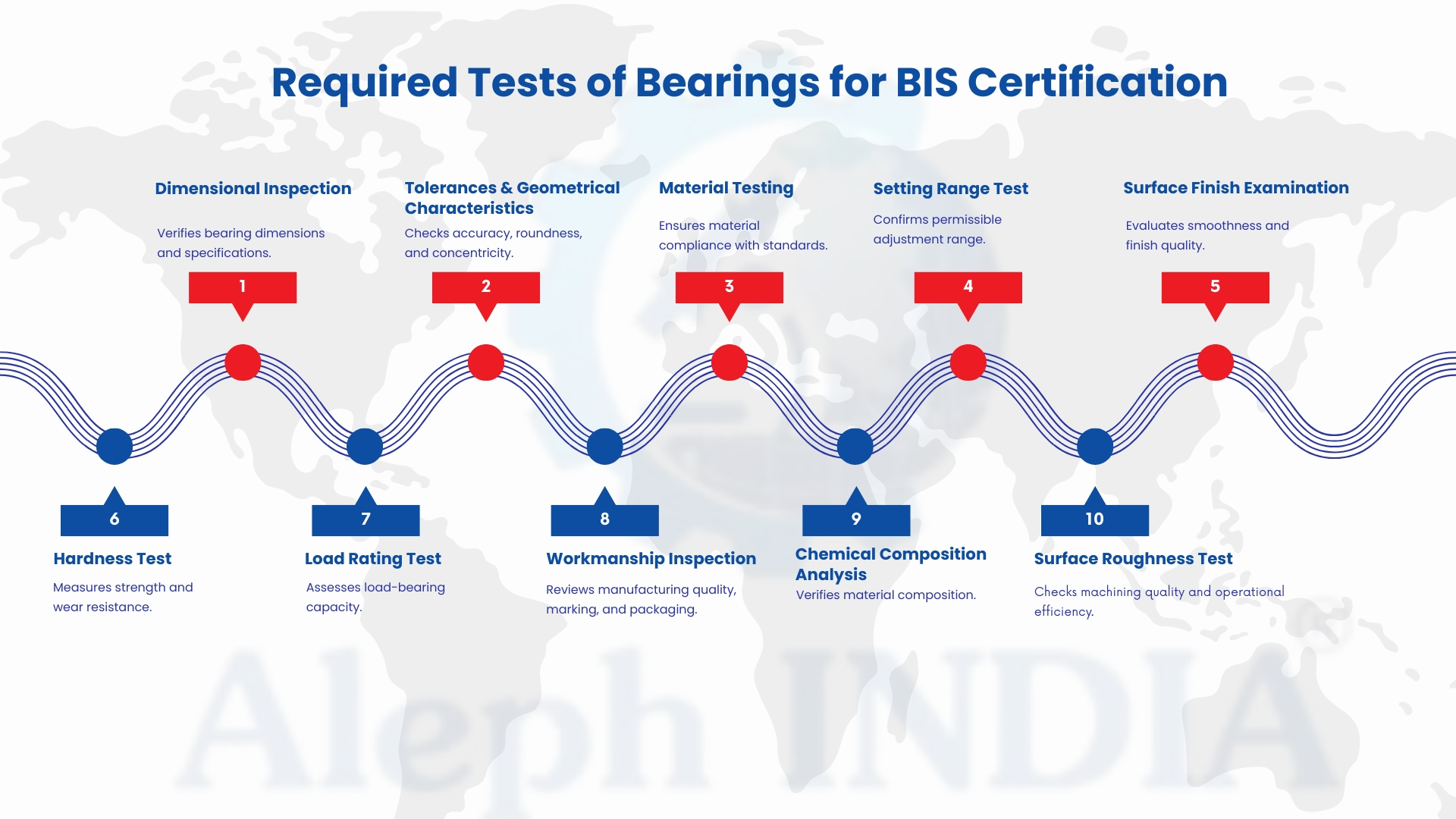
Required Tests of Bearings for BIS Certification
The manufacturers are required to make sure that the bearings manufactured would meet the quality, performance and safety requirements as specified in the relevant Indian Standard to get BIS Certification. Various tests and inspections are carried out on the bearings to ensure that they meet the required standards. The most important tests are:
- Dimensional Inspection : Checking the dimensions of bearings to verify conformance with required dimensions and design specifications.
- Tolerances and Geometrical Characteristics Test : Measurements to determine dimensional tolerances, roundness, concentricity and other geometrical parameters to guarantee precision.
- Material Testing : Inspection of the material for making bearings for the purpose of measuring compliance with the required standard.
- Setting Range Test : Demonstration of the range of permissible adjustment or setting, as defined in the relevant standard.
- Surface Finish Examination : Checking of the bearing surface for smoothness and correct finishing to guarantee trouble-free performance.
- Hardness Test : Hardness measurement to ensure the strength, wear resistance and durability of materials.
- Load Rating Test : Evaluation of the ability of a bearing under the specified dynamic and static loads in operation.
- Workmanship and Delivery Requirements Inspection : Overall quality of manufacture, workmanship, marking, packaging and delivery conditions.
- Chemical Composition Analysis : Chemical analysis of the material of the bearings to assure compliance with standard specifications.
- Surface Roughness Test : Roughness value measurement to ensure the quality of machining and efficiency of operation.
These tests will be passed if the bearings comply with the quality requirements of BIS and can be certified according to the relevant Indian Standard.
Timeline for BIS Certification
The timeframe for obtaining BIS certification depends on whether the manufacturer is Indian or foreign:
- For Indian Manufacturers : Standard Timeframe – 30 days
- For Foreign Manufacturers : Standard Timeframe – 180 days
Who is the Best BIS Consultant for Bearing ?
In India, the Government has made BIS Certification mandatory for certain industrial goods by issuing a series of Quality Control Orders (QCOs) to ensure their quality, reliability, and safety for consumers. In engineering systems, bearings are essential parts that are found in a wide range of machinery, vehicles and industrial equipment, where their function is to provide smooth and reliable mechanical motion.
However, for Indian as well as foreign manufacturers, it is imperative that they hire a reliable BIS Consultant who would be able to understand the process and complete the BIS Certification process for bearings. But finding the right consultant who has an in-depth knowledge of the requirements of bearing certification can be tough.
Many consultants are still working out the BIS certification process for bearings, but Aleph INDIA, a world-leading BIS Consultant, has already helped its clients to reach great heights in bearings certification. All India First BIS License has successfully been given to its clients for the important bearing categories by Aleph INDIA.
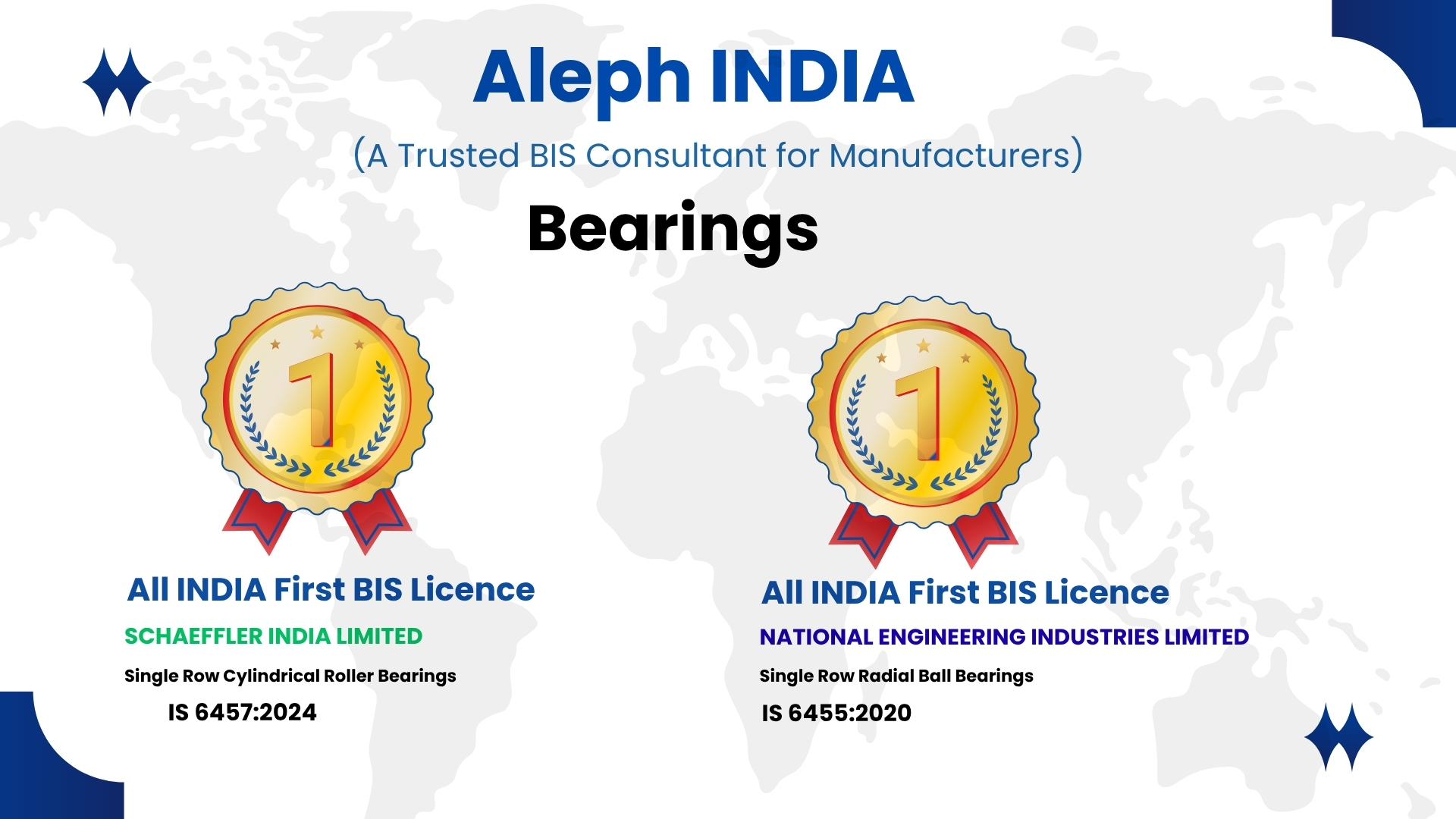
Aleph INDIA is the first BIS Consultant to support SCHAEFFLER INDIA LIMITED in getting the All India First BIS Licence for Single Row Cylindrical Roller Bearings as per the IS 6457:2024.
Moreover, Aleph INDIA has also helped NATIONAL ENGINEERING INDUSTRIES LIMITED to get Single Row Radial Ball Bearings, All India First BIS Licence, in accordance with IS 6455:2020.