The Ministry of Mines has mandated BIS certification of refined zinc under the Refined Zinc (Quality Control) Order, 2025 in India. The order requires refined zinc ingots to comply with IS 209:2024 and be marked by the ISI mark under a BIS license. This order comes into effect after the specified period of its gazetting.
Refined zinc is extensively used in galvanization, construction, automobile, infrastructure and chemical industries. Accordingly, the production, sale or import of refined zinc ingots in India is prohibited unless BIS certification is obtained.
Any Indian or international manufacturer who does not abide by the provisions of this Quality Control Order may face legal action under BIS Act, 2016, including fines and suspension of trade.
Aleph INDIA a best BIS certification consultant, has a rich history of managing BIS certifications for metal and mining products, such as refined zinc. It has successfully assisted many domestic and foreign manufacturers in obtaining their BIS licenses in a timely manner and meeting India's regulatory standards.
This blog provides you with a clear understanding of Refined Zinc QCO, IS 209:2024 standards, certification process and documents.
Why is BIS Certification Needed for Refined Zinc?
Refined zinc with BIS certification meets the Indian quality, safety and performance criteria, as laid out in IS 209:2024. This is important to ensure quality in the various industrial uses of zinc.
The infrastructure and manufacturing industries in India are expanding and zinc is used for corrosion resistance (galvanisation). The BIS imposes rigorous testing and inspection to ensure quality, safety and durability.
The ISI mark on certified products adds to marketability, consumer trust and ultimately, business growth. Producers of BIS-certified refined zinc have improved market acceptance in domestic and overseas markets.
What is Refined Zinc (IS 209:2024)?
Refined zinc ingots are pure metal products used in various applications. IS 209:2024 defines quality requirements, chemical composition and method of manufacture.
Five grades of refined zinc are defined in terms of purity:
- Zn99.995
- Zn99.99
- Zn99.95
- Zn99.5
- Zn98.65
The ingots should be produced from molten refined zinc by continuous or non-continuous casting. The ingots' surface must be free from blemishes and impurities, and have appropriate marking for identification.
It's worth noting this standard does not apply to secondary and re-melted zinc.
What is BIS Certification for Refined Zinc Ingots?
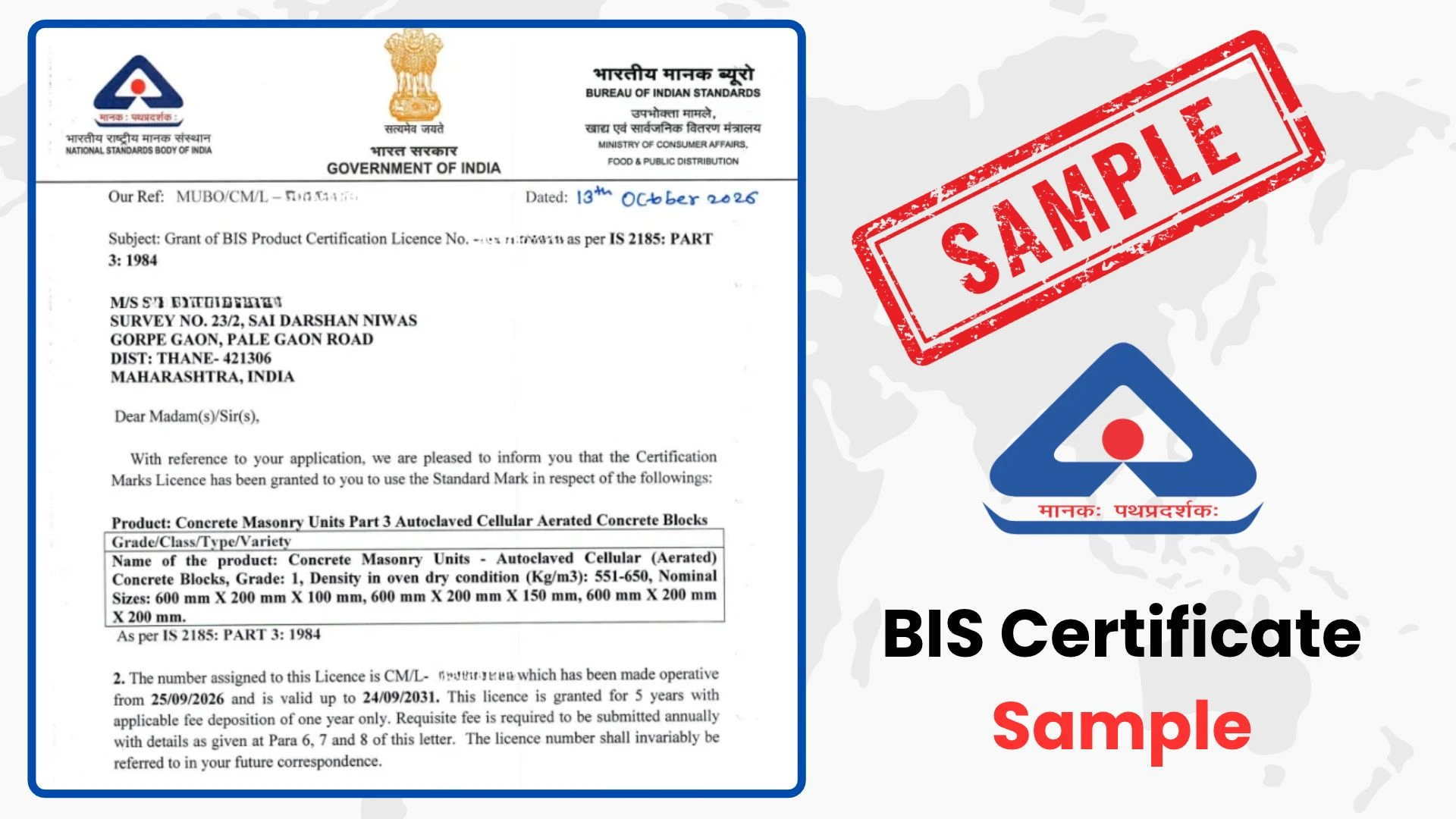
The Bureau of Indian Standards (BIS) certifies the product once they confirm the product conforms to IS 209:2024 through testing and inspection.
Manufacturers must ensure that:
- Products meet specified chemical composition limits
- Manufacturing processes are standardized
- Quality control systems are in place
- Testing is done in BIS-approved labs
After successful testing, the manufacturer is licensed to use the ISI mark on refined zinc ingots by BIS under Scheme-I. Failure to comply may result in fines, suspension of products, and market reputation loss.
BIS Certification for Refined Zinc (IS 209:2024)
BIS certification process comprises of the following stages:
- Step 1 - Confirm Applicable Standard Ensure your product is covered under IS 209:2024 and the Refined Zinc QCO.
- Step 2 – Documentation Preparation Provide technical documents such as process, raw material and quality control.
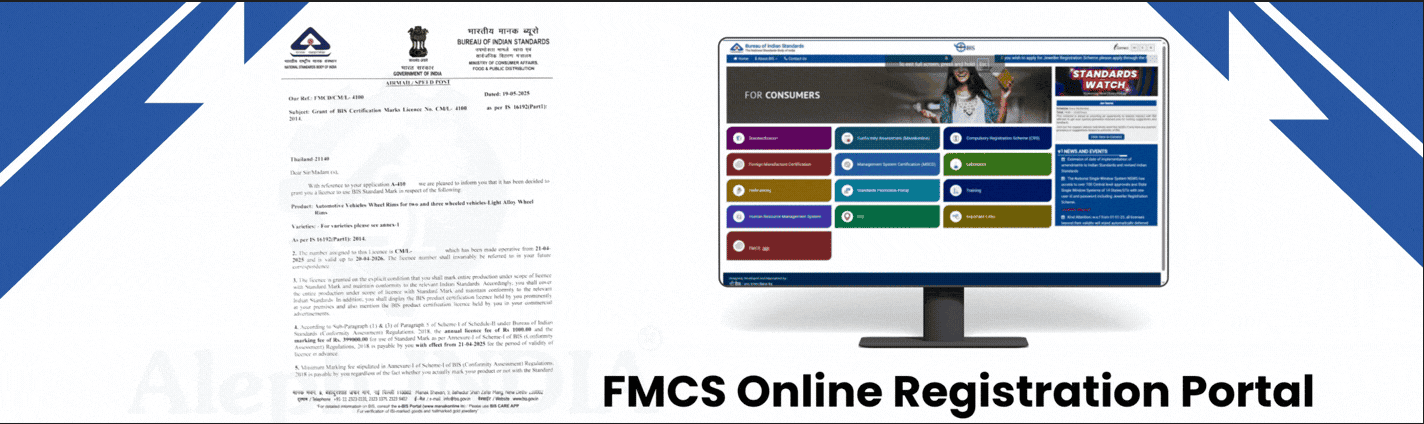
- Step 3 – Application Submission Apply for certification on BIS ManakOnline portal with necessary information and costs.
- Step 4 – Product Testing Submit samples to a BIS-approved lab for testing according to IS 209:2024.
- Step 5 – BIS Evaluation This includes document and test report scrutiny and queries if needed.
- Step 6 – Factory Inspection BIS inspects the factory for quality control.
- Step 7 - Grant of Licence Once verified, a license and ISI mark is applied by BIS.
- Step 8 – Surveillance & Renewal Inspections and renewal is needed for continued certification.
What types of Documents are needed for BIS certification ?
- Registration and other legal documents
- Factory layout and manufacturing details
- List of machinery and equipment
- Quality control and testing procedures
- Raw material specifications
- Product test reports from BIS-approved labs
- Product specifications and technical details
- Authorization letters and declarations
FMCS requires non-Indian manufacturers to appoint an Authorized Indian Representative (AIR).
Why should Manufacturers Obtain BIS Certification?
Refined zinc ingot certification by BIS has several benefits. It ensures legal compliance, allowing hassle-free entry into the Indian market. It makes products more reliable and preferred in the industry, ensuring greater sales.
It also builds brand credibility and generates business opportunities in large infrastructure and industrial projects that require quality compliance. It also helps avoid legal sanctions and promotes business sustainability in the long run.
Who is the best BIS Consultant for Refined Zinc Certification?
Aleph INDIA is a leading BIS certification consultant in India with a strong background in metal, mining and industrial products. They offer comprehensive services such as documentation, testing, factory inspection and liaison with BIS.
Aleph INDIA has a proven record of successful certifications, delivering timely and efficient certification processes. Their team helps local and international manufacturers to comply with IS 209:2024 and the Refined Zinc QCO.
Aleph INDIA remains committed to post-certification compliance with annual surveillance audits, license renewals and new product additions, ensuring continued support to manufacturers.