Note
For detailed information about the Procedure for
BIS ISI Certification, visit:
BIS certification is crucial for Resin Treated Compressed Wood Laminates (Compregs) used for chemical purposes as per IS 3513 (Part 2): 1989. This standard ensures that compregs meet stringent quality parameters, making them suitable for applications requiring chemical resistance, high mechanical strength, and dimensional stability. Certification guarantees that these laminates undergo rigorous testing to validate their durability, load-bearing capacity, and resistance to chemical corrosion, ensuring their reliability in industrial and laboratory environments.
This standard specifies the requirements for resin-treated compressed wood laminates, ensuring they possess the necessary physical and chemical properties for demanding industrial applications. It defines performance parameters such as density, moisture resistance, flexural strength, and chemical resistance, making these laminates suitable for environments where exposure to chemicals is a key concern. The standard also outlines testing methods to assess their structural integrity, thermal stability, and overall performance under harsh conditions.
| Product Name | Resin Treated Compressed Wood Laminates (compregs) – For Chemical Purposes |
| Applicable Indian Standard | IS 3513 (Part 2) : 1989 |
| Applicable Certification Scheme | Product Certification Scheme (ISI Mark Scheme) Scheme 1 - Schedule 2 |
| Compliance Requirement | Mandatory |
| Quality Control Order | View QCO |
| Scope as per Standard | This standard (Part 2) specifies the requirements for resin-treated compressed wood laminates (compregs) intended for use in the chemical industry. |
BIS certification under IS 3513 (Part 2): 1989 enhances product reliability, safety, and market credibility. For manufacturers, certification signifies compliance with national quality standards, facilitating market acceptance and regulatory approval. For consumers and industrial users, certified compregs ensure consistent performance, resistance to chemical degradation, and longevity, making them a preferred choice for applications in chemical processing, electrical insulation, and laboratory equipment. Additionally, certification helps manufacturers expand their market reach by meeting regulatory and industry-specific requirements.
A streamlined process designed to ensure compliance, quality, and efficiency at every step.
Preparation and submission of required documents.
Filing the application with BIS along with applicable fees.
Inspection and evaluation of manufacturing facility.
Testing of product samples in BIS recognized laboratory.
Successful evaluation and grant of BIS ISI Mark license.
Watch our detailed video to understand each step involved in obtaining BIS ISI Mark Certification.
For detailed information about the Procedure for
BIS ISI Certification, visit:
The estimated time frame for obtaining BIS certification under IS 3513 (Part 2): 1989 is:
BIS certification under IS 3513 (Part 2): 1989 is essential for ensuring the chemical resistance, mechanical strength, and durability of resin-treated compressed wood laminates. Compliance with this standard enables manufacturers to supply high-performance compregs that meet stringent industrial and regulatory requirements.
Partner with Aleph INDIA for expert guidance in obtaining BIS certification and ensuring adherence to national standards for resin-treated compressed wood laminates used in chemical applications.

Partner with Aleph INDIA to simplify your BIS certification journey and ensure full compliance with IS 3513 (Part 2): 1989 for robust and high-performance packaging solutions.
BIS certification ensures that compregs meet essential quality and safety standards, making them suitable for chemical applications. It verifies their chemical resistance, mechanical strength, and durability, ensuring their reliability in industrial environments.
The certification process includes tests for density, flexural strength, moisture absorption, thermal stability, and chemical resistance. These tests confirm that the material can withstand harsh industrial conditions.
For Indian manufacturers, the certification process typically takes around 30 days, while for foreign manufacturers, it may take up to 180 days, considering additional regulatory requirements and factory inspections.
Manufacturers gain credibility, regulatory compliance, and market access, while users benefit from consistent product quality, chemical resistance, and long-term reliability, making certified compregs ideal for industrial and laboratory applications.
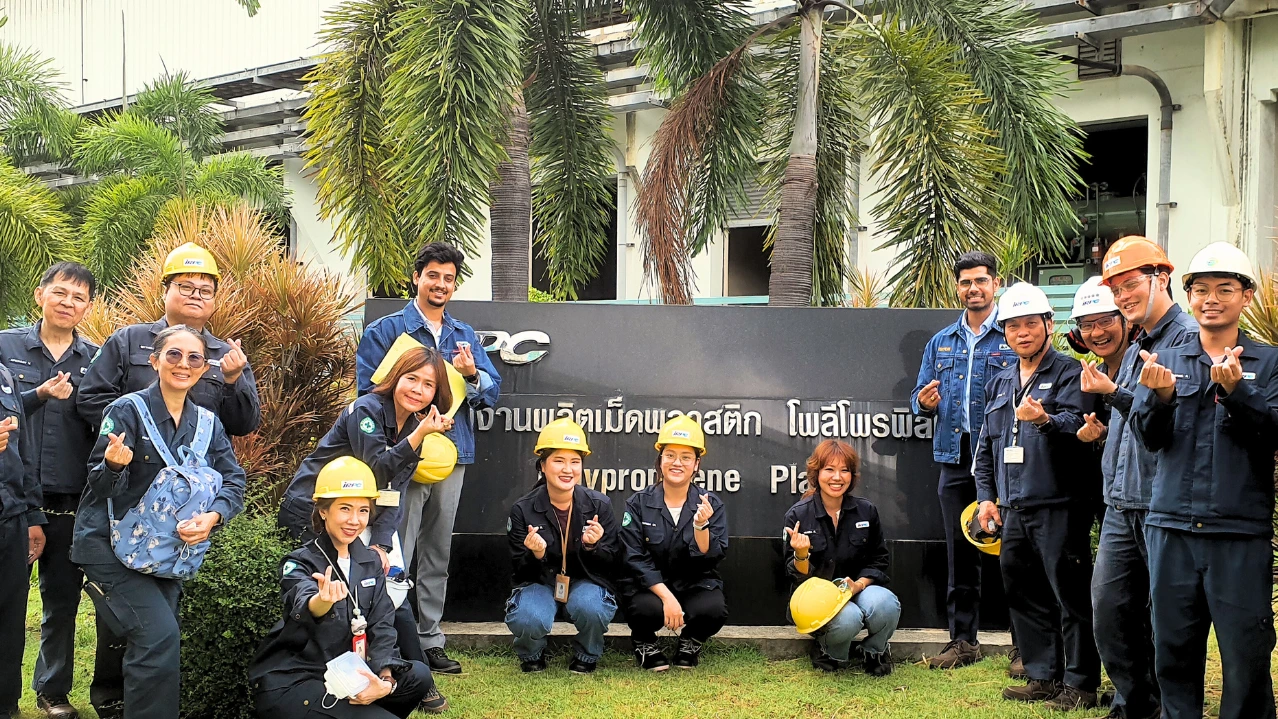
 Thailand
 ALEPH INDIA is proud to announce the 𝐬𝐮𝐜𝐜𝐞𝐬𝐬𝐟𝐮𝐥 𝐜𝐨𝐦𝐩𝐥𝐞𝐭𝐢𝐨𝐧 𝐨𝐟 𝐁𝐈𝐒 𝐚𝐮𝐝𝐢𝐭 𝐟𝐨𝐫 Polypropylene, one of Thailand's leading Polypropylene manufacturers, for complia...

 Kuwait
 Equate Group (Kuwait) underwent a successful BIS Audit for Polyethylene Material in accordance with IS 7328: 2020 & Ethylene Glycol in accordance with IS 529...
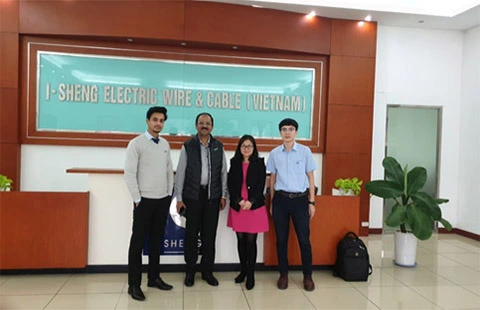
 Vietnam
 I-SHENG ELECTRIC WIRE & CABLE (VIETNAM), a company based in Vietnam, underwent a successful BIS Audit conducted by the Bureau of Indian Standards. Mr. Cheema...
Hear from industry leaders who have experienced the
impact of partnering with
Aleph.

 Aleph INDIA
Sr. Sales Manager
IVicon Security Tech Private Ltd
Aleph INDIA
Project Manager | Remidio
Innovation Solutions Pvt Ltd
Aleph INDIA
CEO | Makercubs
Technologies Pvt Ltd
Aleph INDIA
Technical Vice President |
AIR LIQUIDE MEDICAL SYSTEMS PRIVATE LIMITED