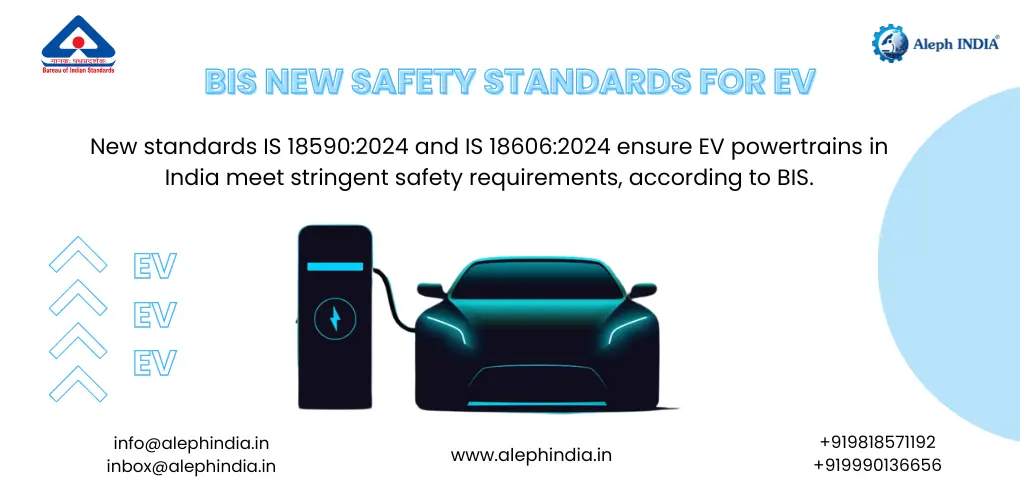
As electric vehicles (EVs) continue to gain popularity in India, the Bureau of Indian Standards (BIS) has taken a significant step towards ensuring their safety and reliability. The introduction of new safety guidelines, IS 18590: 2024 and IS 18606: 2024, marks a pivotal moment in the country’s transition to a sustainable, eco-friendly, and efficient transportation system.
New Safety Guidelines for Electric Vehicles
The recently introduced standards, IS 18590: 2024 and IS 18606: 2024, are designed to enhance the safety of electric vehicles in the L, M, and N categories:
- L Category: Two-wheelers such as electric scooters and motorcycles.
- M Category: Four-wheelers, including electric cars.
- N Category: Goods trucks and other heavy-duty vehicles.
These guidelines specifically focus on the critical components of electric vehicles, particularly the powertrain, which includes essential parts like the motor and transmission. By setting stringent safety requirements for these components, BIS aims to ensure that EVs are not only efficient and powerful but also secure for users.
Emphasis on Battery Safety and Performance
The new standards also place a strong emphasis on the safety and performance of batteries, a vital component of electric vehicles. The guidelines ensure that the batteries used in EVs are both robust and safe, addressing concerns about potential hazards associated with battery malfunction. This comprehensive approach to EV safety underscores the commitment to protecting drivers, passengers, and the public while promoting the widespread adoption of electric vehicles.
Expanding the Scope of EV Standards
In addition to the new powertrain guidelines, BIS has introduced IS 18294: 2023, which establishes safety standards for e-rickshaws and e-karts. This expansion reflects the growing diversity of electric vehicles on Indian roads and ensures that safety measures extend beyond just cars and trucks. By setting standards for these vehicles, BIS aims to safeguard both drivers and passengers, enhancing the overall reliability and safety of the nation’s transportation network.
BIS’s Role in Promoting Quality and Safety
The Bureau of Indian Standards (BIS) serves as the National Standards Body of India under the Department of Consumer Affairs, Ministry of Consumer Affairs, Food & Public Distribution. BIS is responsible for the formulation, recognition, and promotion of Indian Standards. By introducing these new safety guidelines, BIS not only helps to upgrade the quality of products and services in the electric vehicle industry but also fosters consumer trust and confidence in EV technology.
With the introduction of IS 18590: 2024 and IS 18606: 2024, India now boasts 30 local standards dedicated to electric vehicles and their accessories, including charging systems. These comprehensive standards are instrumental in driving the adoption of electric vehicles, ensuring they are safe, reliable, and efficient.
Conclusion
As India moves towards a greener and more sustainable future, the role of BIS in setting and enforcing these standards cannot be overstated. By focusing on critical components like the powertrain and batteries, BIS is paving the way for a safer, more reliable electric vehicle ecosystem that meets the needs of today’s consumers while protecting the environment for future generations.
For more detailed information about the BIS standards and the certification process, visit our website or consult with our regulatory compliance experts to understand how these new regulations can impact your business and the broader electric vehicle market in India. Together, let's drive the future of sustainable transportation forward.